








Manrique: Tango, Art & Memory
$ 100.000
VAT included
Enrolled students: $ 40.000
How to get there
Carrera 76 #41-07, Laureles, Medellín
Open in Google Maps- Comfortable clothes and walking shoes. - Water, sunscreen, and a cap. - An umbrella or light rain jacket. - Cash for personal purchases. - A phone or camera for photos. - Curiosity and enthusiasm for discovering Paisa culture!
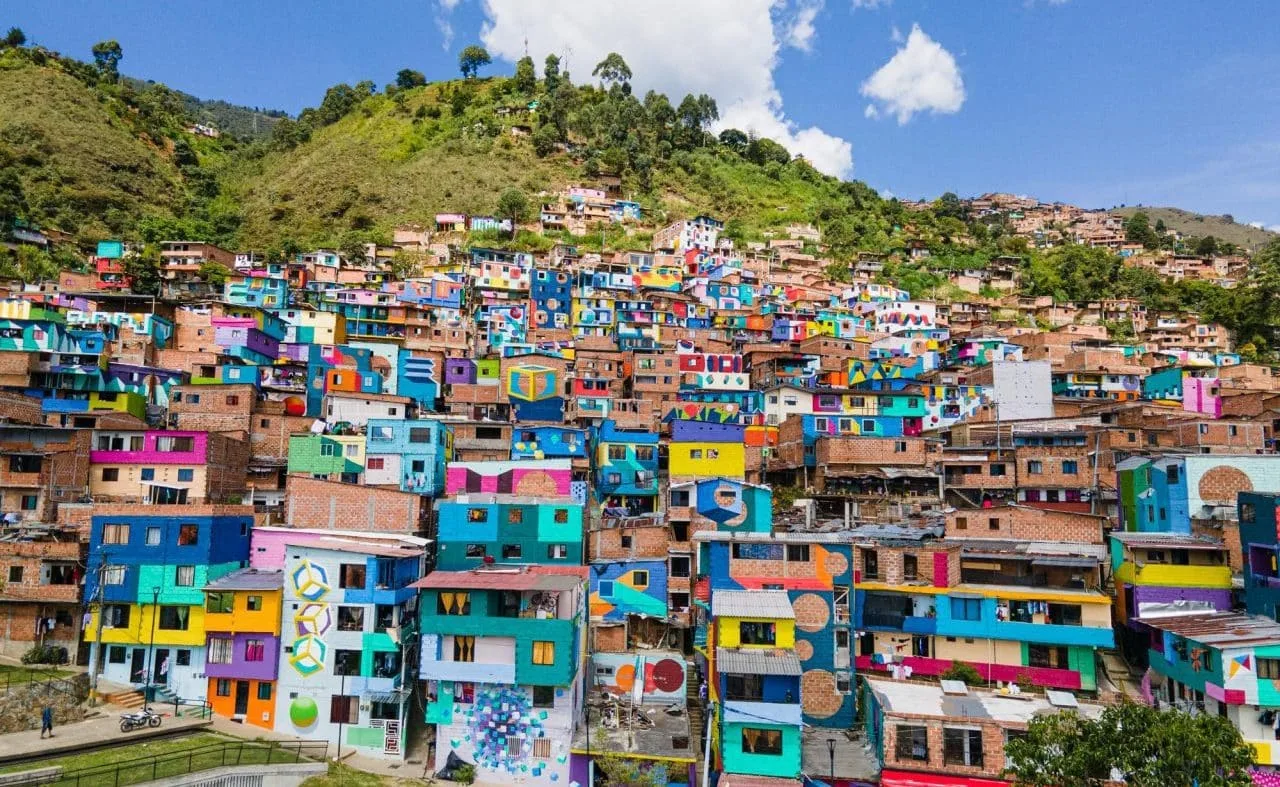
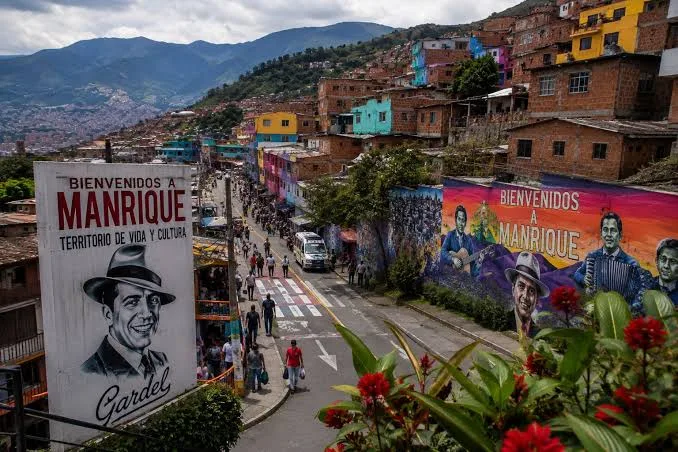
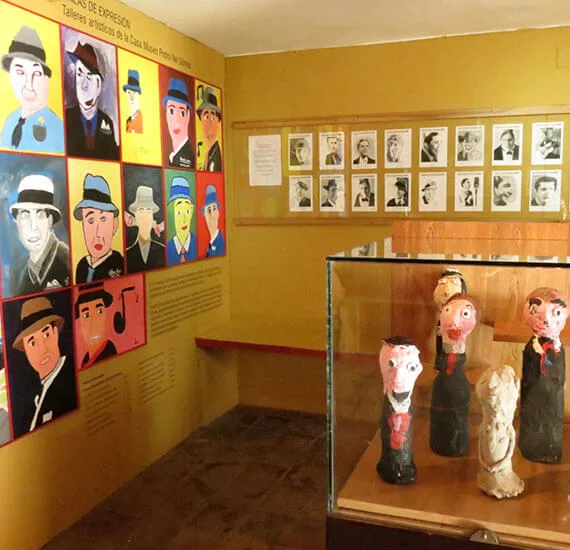
WhatsApp🎶 Manrique: Where tango, streets, and stories come alive! Did you know Medellín has a special connection to tango? Discover it in Manrique, one of the city's most traditional and musical neighborhoods! Explore the famous Carrera 45, its historic bars and cafés, the legacy of Carlos Gardel, and the musical traditions passed down through generations. 🏛️ Discover how the old tramway and today's Metroplús have transformed the neighborhood while exploring its architecture, everyday customs, and community life. 🎬 From street art to audiovisual productions and local storytelling, Manrique is a place where creativity keeps memories alive. 🗣️ Experience authentic Medellín, discover fascinating stories, and practice Spanish beyond the classroom!
Discover Medellín's musical soul! Explore Manrique's traditional streets, tango heritage, famous bars along Carrera 45, street art, and fascinating neighborhood stories while practicing Spanish.
What you practice on this outing
Every activity is a living class: this is what we work on while exploring.
Vocabulary
- Music: tango, salsa, bolero, and traditional rhythms.
- Bars, cafés, and local customs.
- Cinema, photography, and street art.
- History, memory, and cultural heritage.
- Transportation, streets, and neighborhoods.
- Likes, preferences, and local Paisa expressions.
Functions
- Expressing musical tastes and preferences.
- Describing places and traditions.
- Comparing the past and present.
- Sharing experiences and telling stories.
- Asking questions about local customs.
- Expressing opinions about art and culture.
Grammar
- Present indicative.
- Gustar, encantar, interesar, and preferir.
- Preterite and imperfect past tenses.
- Soler + infinitive for describing habits and traditions.
- Comparatives: más antiguo, más moderno, más popular.
- Time expressions: antes, ahora, antiguamente.
- Opinion expressions: creo que, pienso que, me parece que.
Conversation: ¿Qué tipo de música te gusta escuchar? — What kind of music do you enjoy listening to? ¿Prefieres el tango o la salsa? ¿Por qué? — Do you prefer tango or salsa? Why? ¿Qué música escuchaban tus abuelos? — What music did your grandparents listen to? ¿Qué costumbres tradicionales existen en tu país? — What traditional customs exist in your country? ¿Cómo ha cambiado Medellín con el tiempo? — How has Medellín changed over time? ¿Qué diferencias encuentras entre el transporte antiguo y el actual? — What differences do you notice between old and modern transportation? ¿Has visto alguna película grabada en Medellín? — Have you seen a movie filmed in Medellín? ¿Por qué es importante conservar la memoria de un barrio? — Why is preserving a neighborhood's memory important? ¿Cómo puede el arte contar la historia de una comunidad? — How can art tell a community's story?