





Student Visa vs Digital Nomad Visa in Colombia
Student visa or digital nomad visa for Colombia? A side-by-side comparison of what each one is built for, and who belongs on which path.
Two visas, two different lives. One is built around learning and settling in, the other around working from anywhere. Here is the comparison, what each day looks like in practice, and why some remote workers choose the student route anyway.
Different tools for different goals
These visas are not competitors; they answer different questions. The digital nomad path is built for people whose income comes from abroad and whose priority is working while living in Colombia. The student visa is built for people whose declared purpose is study, enrolled at a licensed institution with a real class schedule. Everything else follows from that first difference: the documents you gather, the rhythm of your days, the person you are after six months. The question is not which visa is better but what you want your days to look like.
| Student visa | Digital nomad visa | |
|---|---|---|
| Built for | Living in Colombia to study, with Spanish as the reason for your stay | Working remotely for companies or clients abroad while living in Colombia |
| Your typical day | Classes, homework, conversation practice: structure that forces progress | Your own schedule and your own laptop; Spanish only if you make the time |
| Key supporting document | An acceptance letter from a licensed school; we issue ours directly | Proof of your remote work and income, as defined by the authorities |
| Spanish after six months | Level after level, practiced in class and certified per CEFR level | Depends on your discipline; many nomads plateau at survival Spanish |
| Community | Classmates on the same schedule, teachers who know your name | Cowork spaces and meetups, good in their way, but the cast rotates constantly |
| Best when | Spanish and real integration are the point | Work comes first and Colombia is the backdrop |
What each life looks like
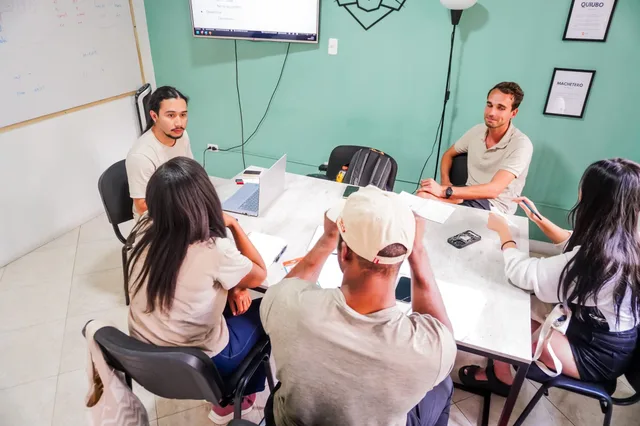
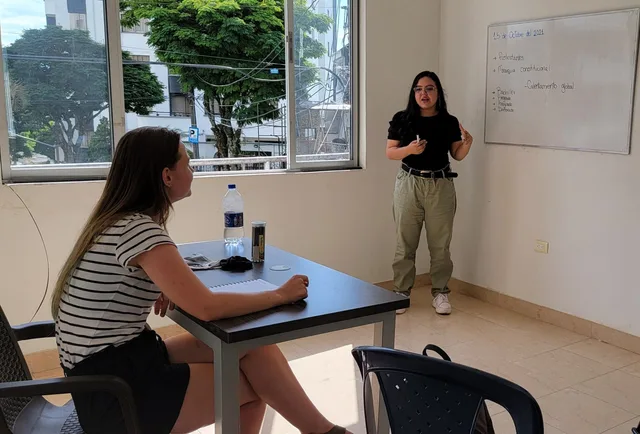
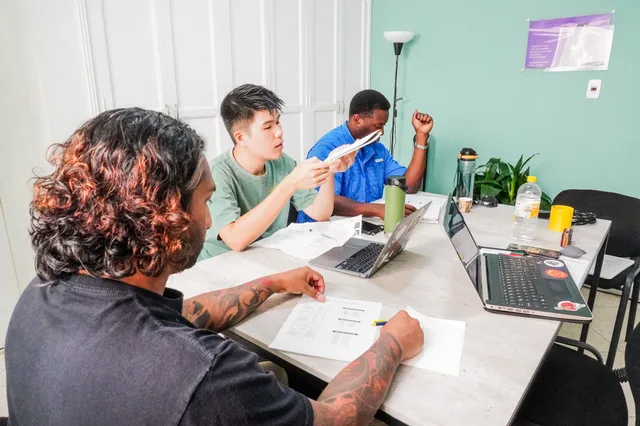
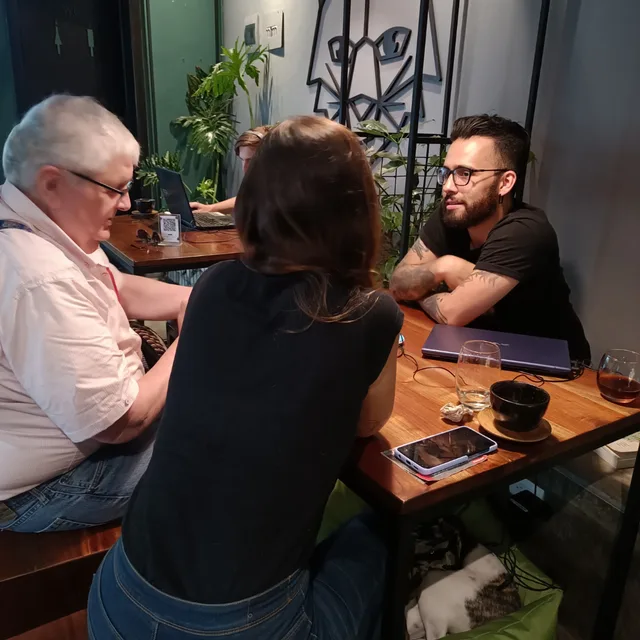
On the student route your week has a spine: class in the morning or afternoon, homework that gets checked, teachers who notice when your past tense slips. Six months in, your progress is not a feeling; it is a level, practiced in class and certified when you complete it. Progress stops being a hope and becomes a habit. You know your classmates’ names, their goals and which one always brings empanadas.
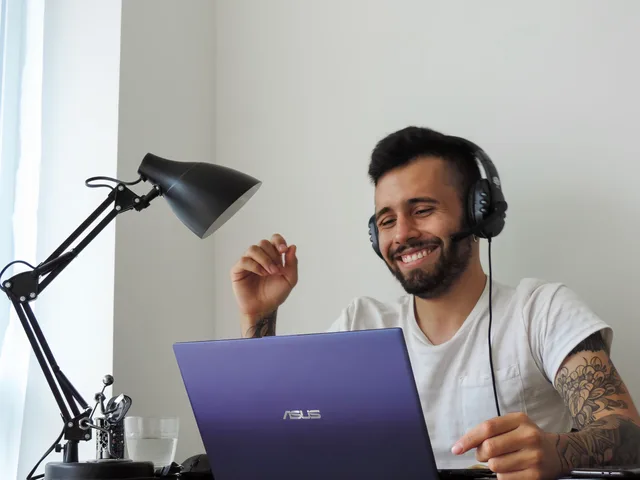
On the nomad route your week has freedom. You work your hours, explore on your terms, and Colombia is a beautiful backdrop to a job you already had. It is a good life, and Spanish is the thing that quietly slides to next month, not because nomads are lazy but because nothing in the structure of their day ever demands it. Meetups help, but a meetup is not a syllabus.
The case for the nomad visa
If your income is remote and your priority is flexibility, the nomad route is the right fit, and we say so on our own website. Don’t enroll in a study program as paperwork: the study load on a student visa is real, and a program you never attend helps neither your file nor your Spanish. Pick the visa that matches what you will do with your days, and pick a class schedule only if you plan to sit in it.
Why some remote workers choose the student visa anyway
Remote workers who pick the student route usually give the same three reasons. Structure: class at a fixed hour is the only thing that beats the plan to study when work calms down, which is never. Daily contact: two hours of class a day change your relationship with the city, and the supermarket becomes practice; most people notice the difference within a month. Community: classmates become the first friends of your Colombian life, and they keep the same schedule you do. With weekday classes and Saturday mornings in Laureles and Pereira, a serious program can wrap around a workday.
The two paths also begin differently. The nomad route starts with your employer’s paperwork; the student route starts with a school, and ours moves quickly. Take the free level test online, reserve a Visa Program with a 15% deposit, and your acceptance letter is issued by us, a licensed ETDH institution with a registered A1 to C1 program. You can start classes online before any visa exists, and decide from inside a real classroom instead of a comparison table.
One caveat, in plain terms: choose the visa that matches what you will be doing, and check what each one authorizes with official Colombian sources before you commit. Rules evolve, cases differ and this page is not legal advice; an optional immigration lawyer service (400 USD) can look at your specific situation.
Student housing near our schools, so the Spanish continues after class.
Still torn?
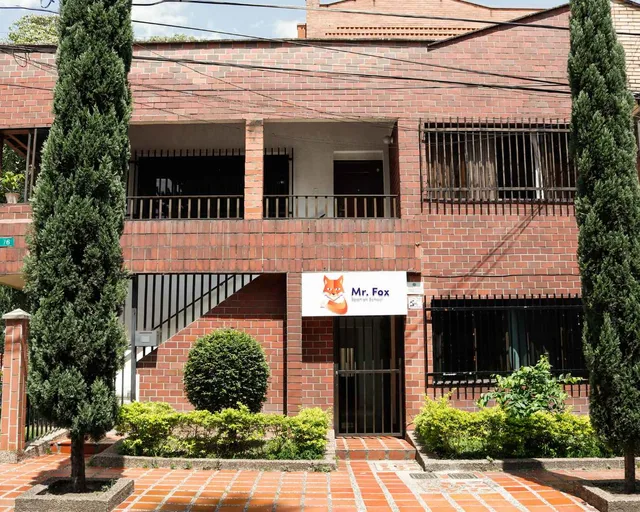
Try the product before you pick the paperwork. Take the free online level test to see where your Spanish stands, book a free trial class of 30 to 45 minutes with a real teacher, then answer the six quick questions on our decision page. The right lane usually becomes obvious within a week, and if you already know that structure is what your Spanish has been missing, the answer is probably clear already. Whichever visa you choose, you are welcome in our classrooms in Pereira, in Medellín (Laureles or Belén) or online.
Frequently asked questions
What is the difference between the student visa and the digital nomad visa in Colombia?
They answer different questions. The digital nomad path is built for people whose income comes from abroad and whose priority is remote work. The student visa is built for people whose declared purpose is study, enrolled at a licensed institution with a real class schedule they attend every week.
Can remote workers choose the student visa?
Many do, for the structure and the community. Our Visa Program runs 40 hours of classes per month, about 10 hours a week, and a serious program can wrap around a workday, as long as you attend the classes you enrolled in and treat the study load as real.
Which visa is better for learning Spanish?
The student route, by design: class at a fixed hour, teachers who track your progress and a CEFR level certified each time you complete one. On the nomad route, Spanish only advances if your own discipline makes the time, and most weeks it doesn’t.
Can I try the student life before committing?
Yes. Take the free online level test, then book a free trial class of 30 to 45 minutes with a real teacher. You can also start a program online from your current country and decide from inside a real classroom before any visa exists.
Your Spanish starts today (and your first class is free)
Your first package gets −10% off on selected plans, applied automatically. See you in Medellín, Pereira or online.