







Botanical Garden & MUUA: Nature, Art & Culture
$ 100.000
VAT included
Enrolled students: $ 40.000
How to get there
Carrera 76 #41-07, Laureles, Medellín
Open in Google MapsComfortable clothes and walking shoes. Water and sunscreen. A cap or umbrella. Identification in case it is requested for campus entry. A phone or camera for photos, following each venue's rules. Curiosity and enthusiasm for practicing Spanish!
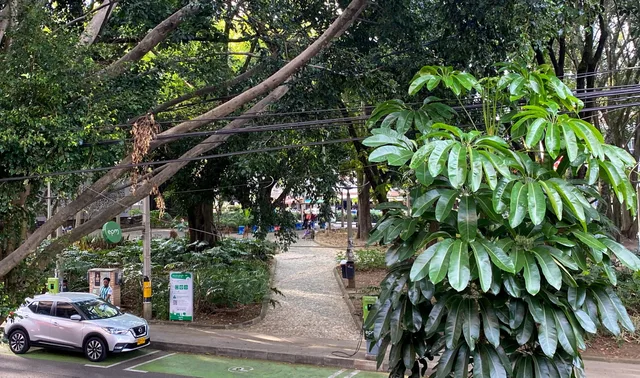
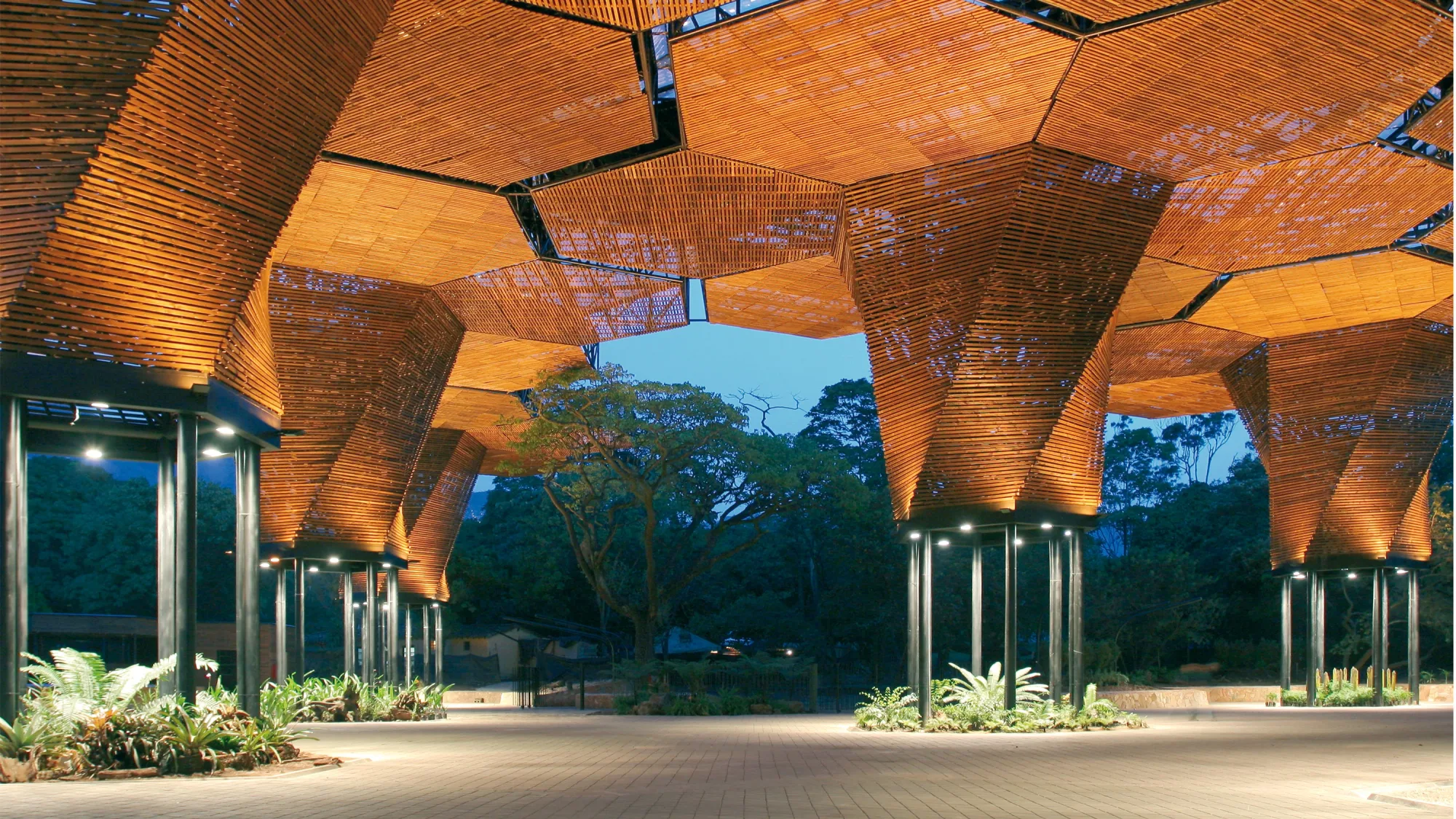
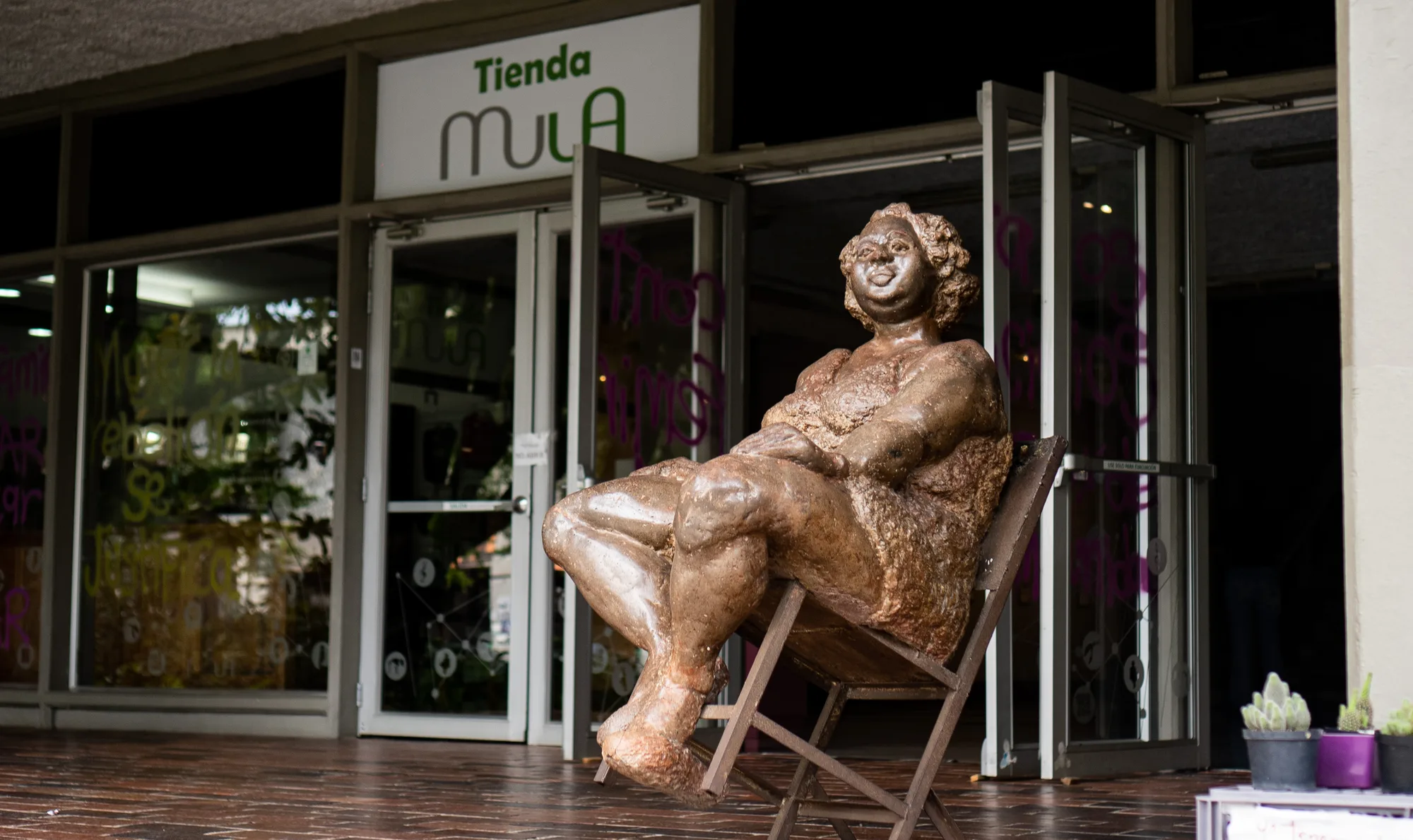
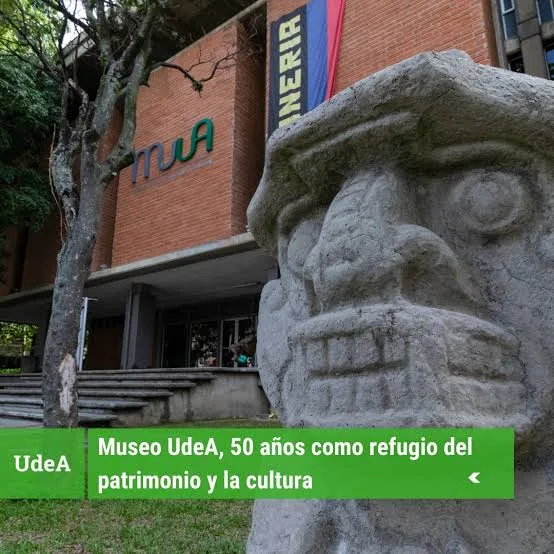
WhatsApp🌿 Two amazing places, one experience full of nature, history, and culture! Colombia is one of the most biodiverse countries in the world. During this Open Classroom experience, we'll discover part of its incredible natural and cultural heritage. We'll begin at the Medellín Botanical Garden, a living museum dedicated to the conservation of plants and ecosystems. Explore beautiful green spaces, discover tropical plants, trees, flowers, and orchids, and admire the iconic Orquideorama, one of the garden's most recognizable architectural structures. Next, we'll visit MUUA (University of Antioquia Museum), which houses important collections of anthropology, natural sciences, visual arts, and university history. Discover Colombia's Indigenous cultures, explore aspects of the country's natural heritage, and learn about its artistic and historical traditions. 🗣️ Best of all, you'll practice Spanish outside the classroom! Learn new vocabulary, describe what you see, express opinions, and have meaningful conversations about Colombian nature, history, and culture.
🌿 Discover Colombia's amazing nature and culture! Explore Medellín's Botanical Garden and the University of Antioquia Museum (MUUA), learn about tropical plants, art, and history, and practice Spanish in real-life situations.
What you practice on this outing
Every activity is a living class: this is what we work on while exploring.
Vocabulary
- Nature: trees, flowers, plants, leaves, roots, and seeds.
- Animals, ecosystems, and biodiversity.
- Colors, shapes, and sizes.
- Art, history, museums, and cultural heritage.
- Indigenous cultures and Colombian traditions.
- Environment and conservation.
Functions
- Describing plants, animals, and historical objects.
- Comparing species, artworks, and places.
- Asking questions about nature and Colombian cultures.
- Expressing preferences, opinions, and emotions.
- Discussing environmental conservation.
- Understanding information from museum exhibits and signs.
Grammar
- Present indicative for descriptions and explanations.
- Ser, estar, and haber.
- Descriptive adjectives and agreement.
- Comparatives: más grande, más antiguo, más colorido.
- Demonstratives: este, ese, aquel.
- Preterite and imperfect for talking about history.
- Opinion expressions: creo que, pienso que, me parece que.
Conversation: ¿Cómo se llama esta planta? — What is this plant called? ¿Qué diferencias hay entre estas dos especies? — What are the differences between these two species? ¿Cuál es tu flor favorita y por qué? — What's your favorite flower and why? ¿Por qué es importante proteger la naturaleza? — Why is protecting nature important? ¿Qué sabes sobre las culturas indígenas de Colombia? — What do you know about Colombia's Indigenous cultures? ¿Qué objeto del museo te parece más interesante? — Which museum object do you find most interesting? ¿Qué has aprendido sobre la historia de Colombia? — What have you learned about Colombian history? ¿Qué diferencias encuentras entre la naturaleza de Colombia y la de tu país? — What differences do you find between Colombia's nature and that of your country?