





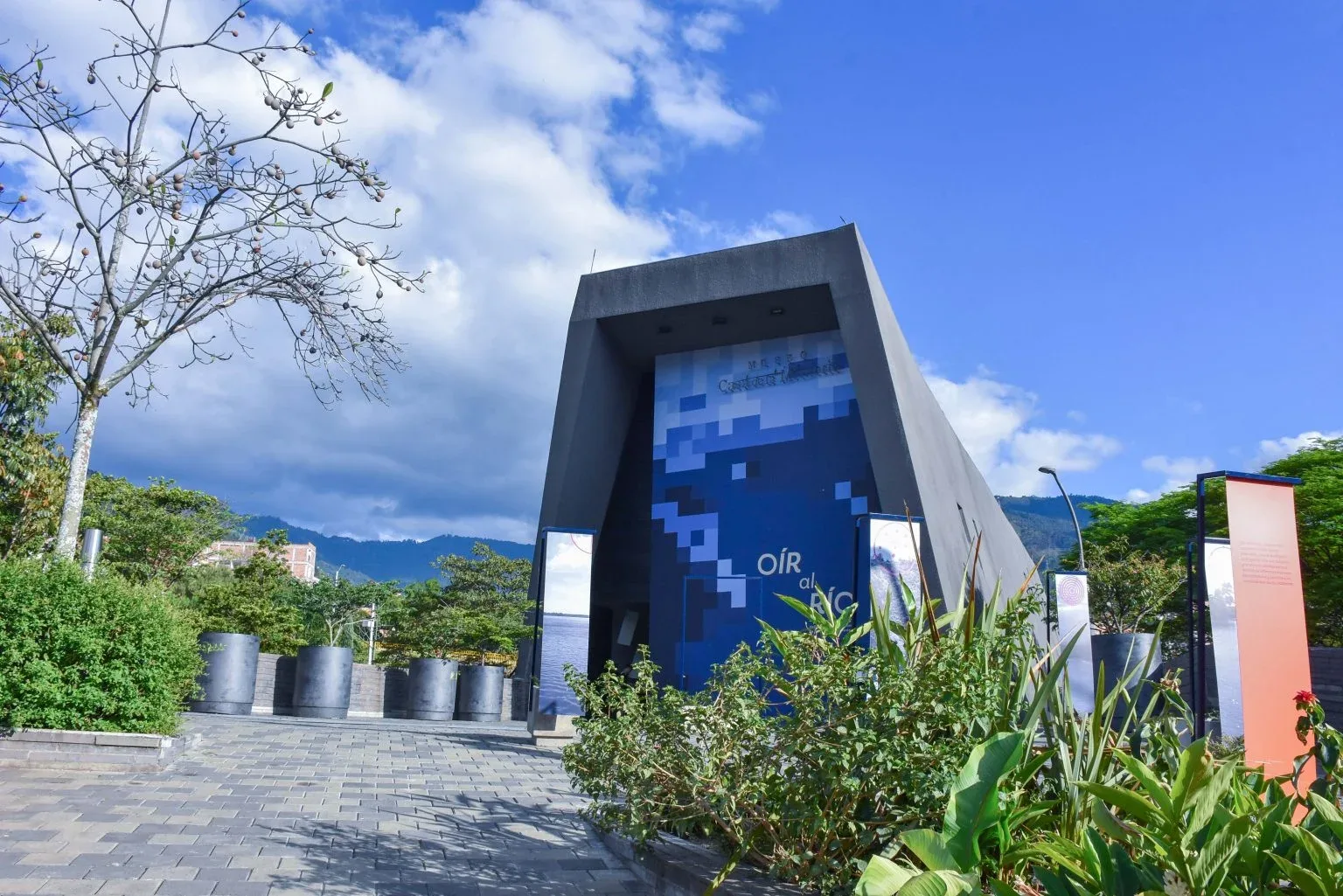
Museo Casa de la Memoria
$ 100.000
VAT included
Enrolled students: $ 40.000
How to get there
Carrera 76 #41-07, Laureles, Medellín
Open in Google MapsComfortable clothes and walking shoes. Water and an umbrella. A notebook to record new vocabulary and reflections. Respect and an open mind when listening to personal stories. Be aware that some exhibitions address sensitive topics, including violence and loss.
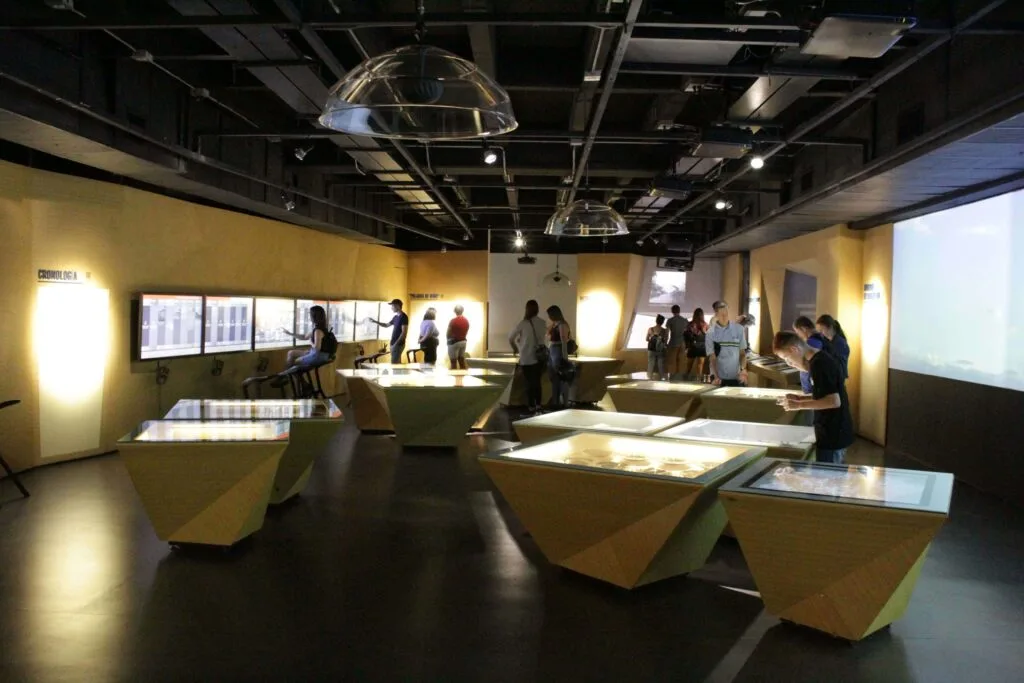
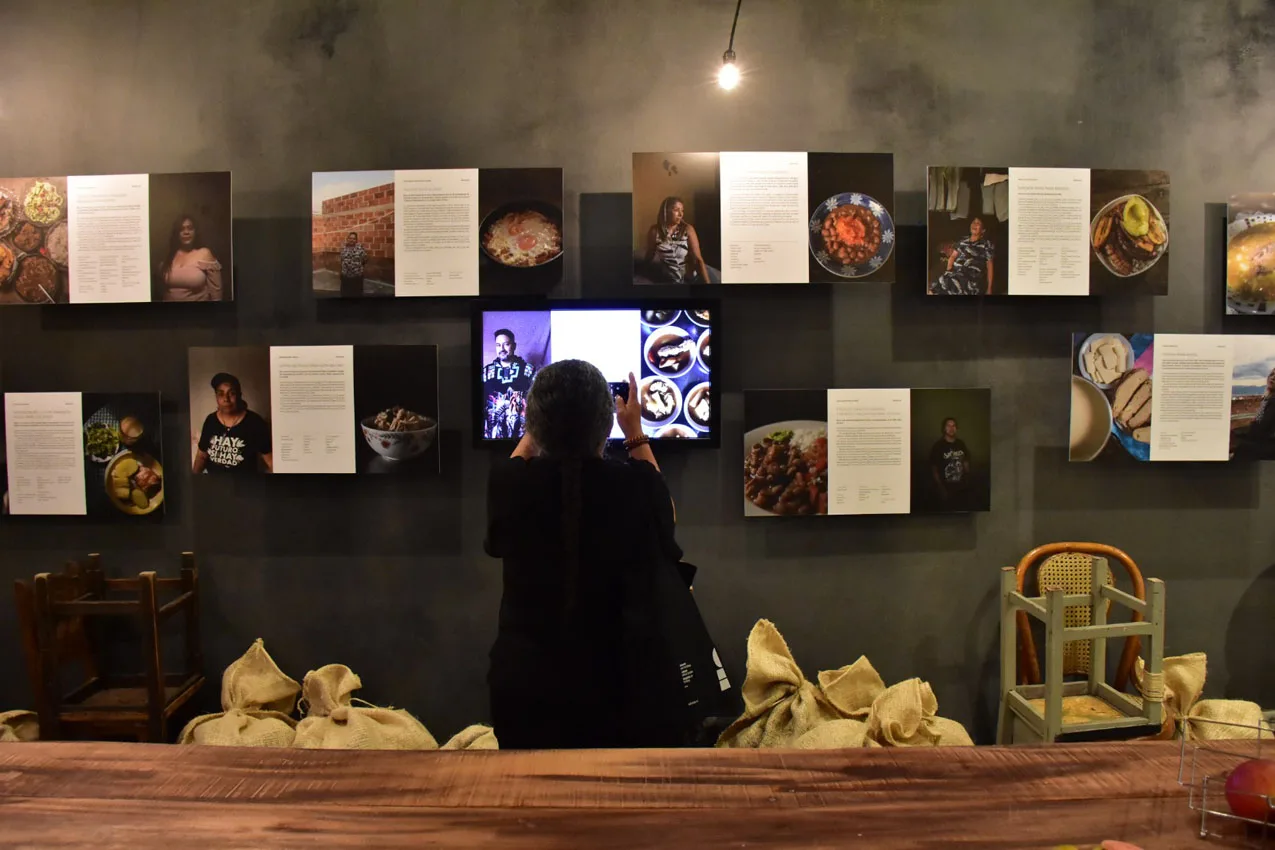
WhatsApp🕊️ Discover the stories that shaped Colombia! To understand Medellín today, we must also understand its past. At the Museo Casa de la Memoria, we'll explore the history of Colombia's armed conflict and the violence that affected Medellín through testimonies, photographs, audiovisual materials, and personal stories. ❤️ Discover how communities have faced difficult moments, preserved their memories, and worked toward peace and reconciliation. This is more than a museum visit. It's an opportunity to reflect on history, understand different perspectives, and express emotions, while practicing Spanish in a meaningful way. 🗣️ Learn to tell stories about the past, share your impressions, and discover why remembering is essential for building a different future.
Discover a powerful part of Colombia's history at Medellín's Museo Casa de la Memoria. Explore stories of conflict, resilience, and hope while learning to narrate past events and express emotions in Spanish.
What you practice on this outing
Every activity is a living class: this is what we work on while exploring.
Vocabulary
- History: past, present, memories, events, and experiences.
- Emotions: sadness, fear, hope, empathy, and gratitude.
- Conflict, violence, victims, and human rights.
- Peace, resistance, resilience, and reconciliation.
- Testimonies, photographs, exhibitions, and historical documents.
- Social transformation and collective memory.
Functions
- Narrating historical events and past experiences.
- Describing how life used to be.
- Expressing emotions and personal reactions.
- Comparing the past and the present.
- Expressing opinions respectfully.
- Explaining causes and consequences.
- Asking questions about historical events.
- Reflecting on the importance of memory and peace.
Grammar
- Main focus: Narrating past events and expressing emotions.
- Preterite: To describe completed historical events.
- El museo abrió sus puertas en 2012.
- Imperfect: To describe past situations, habits, and contexts.
- Muchas familias vivían con miedo.
- Preterite vs. imperfect: To distinguish events from background descriptions.
- Past time expressions: Antes, durante, después, en aquella época, hace años.
- Expressing emotions: Me entristece, me conmueve, me preocupa, me da esperanza.
- Opinion expressions: Creo que, pienso que, considero que, me parece importante.
- Connectors: Porque, por eso, sin embargo, aunque, finalmente.
Conversation: Practice Spanish while reflecting on Colombia's history. ¿Qué sabes sobre la historia de Colombia? — What do you know about Colombia's history? ¿Cómo era Medellín hace algunas décadas? — What was Medellín like a few decades ago? ¿Qué acontecimientos cambiaron la ciudad? — What events changed the city? ¿Qué historia del museo te llamó más la atención? — Which story at the museum caught your attention? ¿Cómo te hace sentir esta exposición? — How does this exhibition make you feel? ¿Qué emociones transmite esta fotografía? — What emotions does this photograph convey? ¿Por qué es importante escuchar a las víctimas? — Why is listening to victims important? ¿Qué ha cambiado en Medellín con el paso del tiempo? — What has changed in Medellín over time? ¿Por qué es importante recordar el pasado? — Why is it important to remember the past? ¿Cómo puede la memoria ayudar a construir la paz? — How can memory help build peace?