




Beyond the Tourist Trail in Medellín: Real Neighborhoods, True Living Costs, and How to Settle In Like a Local
Discover where real medellinenses live, actual living costs by neighborhood, and how to integrate as a genuine resident, not just a tourist.

Equipo Mister Fox
August 24, 2026 · 5 min read
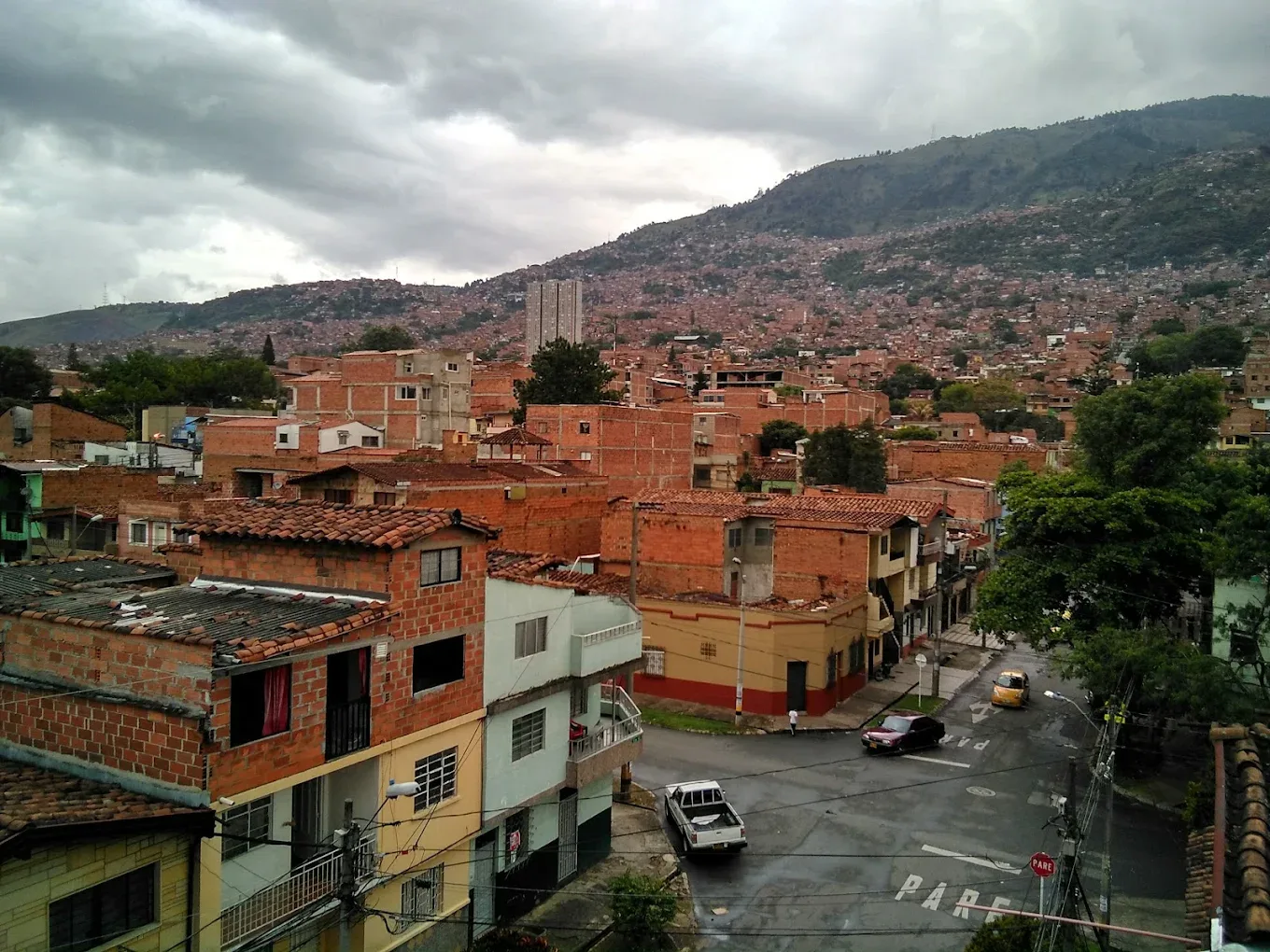
Medellín has become a magnet for foreigners: Spanish learners, digital nomads, and people seeking a city with perfect weather and real opportunities. Yet beneath the Instagram photos of cable cars and promises of «the city of eternal spring» lies an everyday Medellín—authentic neighborhoods, local social dynamics, and practical decisions about where to live, how much to spend, and how to transition from being a long-term tourist to becoming a genuine resident with roots.
Where real medellinenses actually live
When you arrive in Medellín, you hear the same names repeated: Parque Arvi, Poblado, Belén. But medellinenses who work, study, and build their lives in the city live elsewhere, with different logic. Laureles remains the most balanced neighborhood for foreign residents: accessible transit, diverse restaurants, perceived high safety, and moderate living costs. But there's more to explore.
Sabaneta, south of the metropolitan area, is where many young Colombian professionals live. It shares proximity to Medellín with lower prices, actual parks (not tourist attractions), and a strong local community. For Spanish learners and foreigners wanting to practice in a genuine environment, Sabaneta delivers: real interaction with medellinenses without the El Poblado bubble.
Envigado, the twin city to the south, is larger, with its own commercial and cultural center. Rents are reasonable, there are major universities, and quality of life is very high. Transit to Medellín from Envigado is smooth, and psychologically you feel you're living in a city, not a neighborhood.
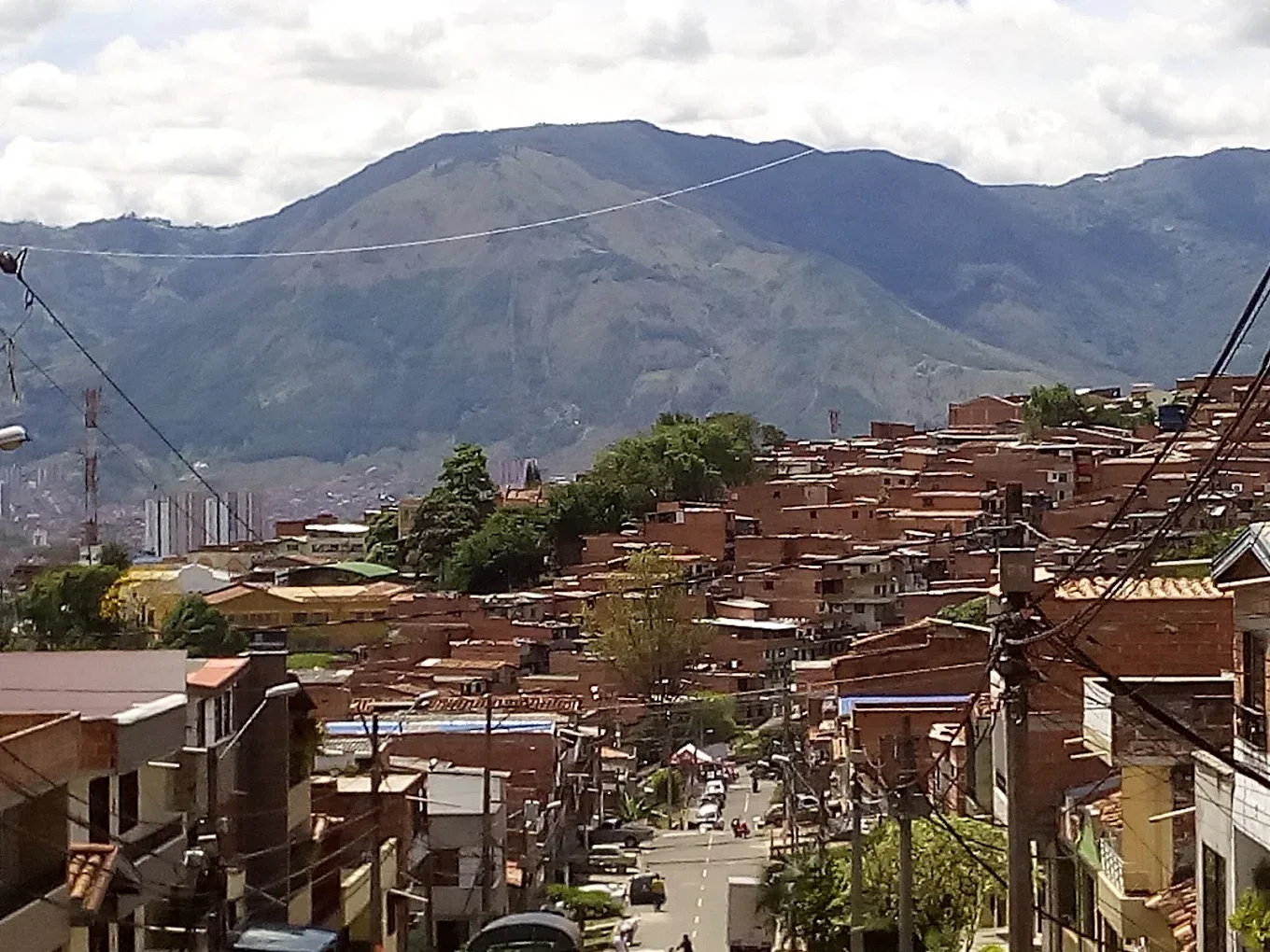
San Alonso, on the eastern hillside, is different territory: less gentrified than Laureles, with Pakistani, Venezuelan, and Colombian communities coexisting. Prices are low, food is authentic, and if your goal is living like an average medellinense (not a foreigner with a comfortable budget), this is where you find that experiment.
Real cost of living: what to expect based on your lifestyle
The cost of living in Medellín is one of its biggest attractions, but the numbers vary dramatically depending on where you live, how you eat, and how you spend your time.
Housing: the budget-defining expense
A one-bedroom apartment in El Poblado costs between 800,000 and 1,200,000 Colombian pesos monthly. The same apartment in Laureles drops to 600,000–900,000 pesos. In Sabaneta or Envigado, 500,000–700,000 pesos. In less trendy or more distant neighborhoods, you can find options for 400,000–500,000 pesos. If you share an apartment, costs divide and reality changes radically.
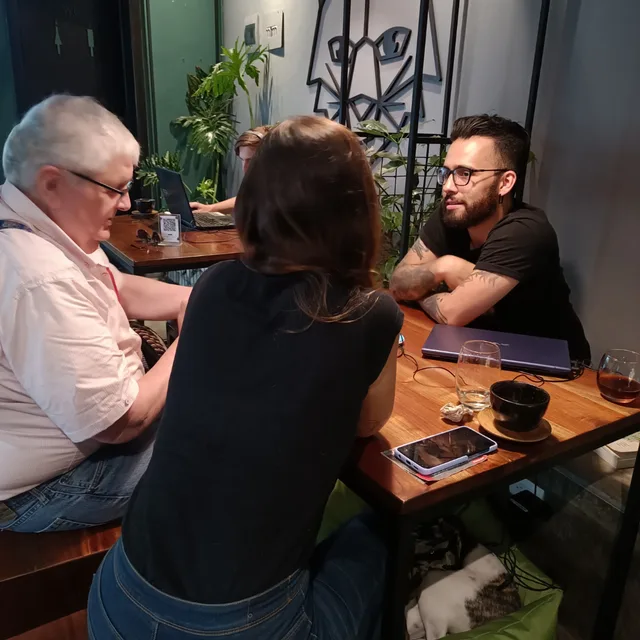
Many foreigners studying Spanish choose shared housing, not only for savings but because they experience the city from inside: you have Colombian roommates or those from other countries, Spanish speakers daily, and a genuine social network from day one.
Food: depends on whether you eat like a tourist or a local
Eating at a tourist restaurant in Poblado: 40,000–80,000 pesos per dish. A meal at a typical neighborhood restaurant (comida corriente): 10,000–15,000 pesos. Shopping at the market and cooking at home: very affordable, if you access a neighborhood farmers market instead of premium supermarkets.
Food is where 30 to 50% of foreigners claiming «Medellín is expensive» really spend: dining at Buenos Aires-priced restaurants, using expensive delivery apps, never visiting the local farmers market. Learn to eat like a typical medellinense, and your bill shrinks dramatically.
Transportation, entertainment, and everything else
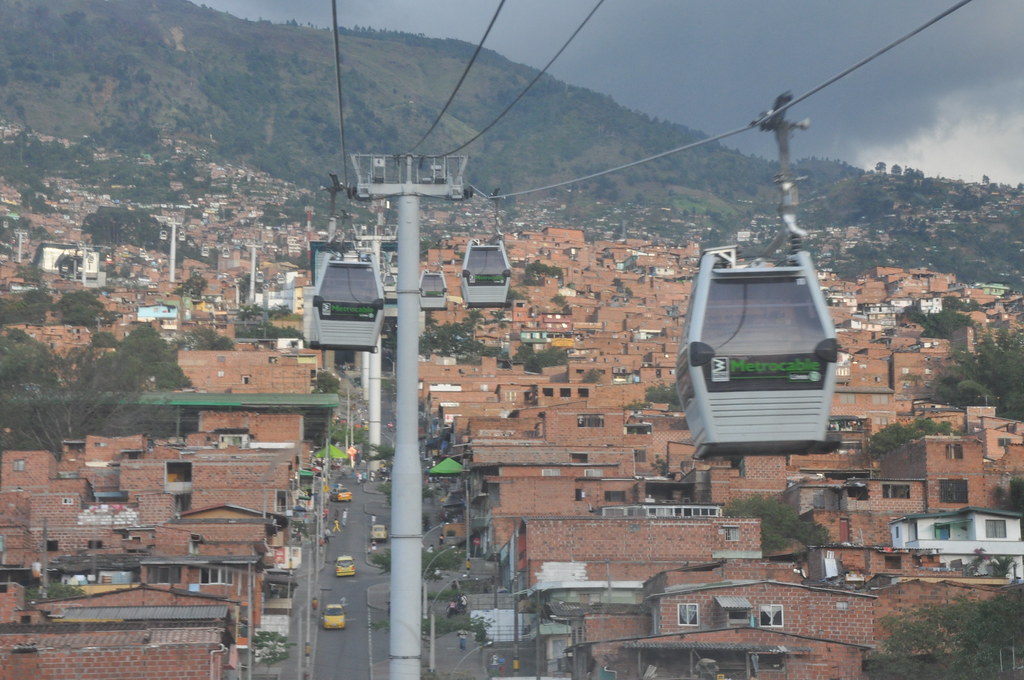
The transit card (Metro Card) costs 2,950 pesos per individual trip, but is cheaper with a loaded card. A month of regular transit is roughly 100,000–150,000 pesos. The metro and cable car are safe, punctual, and the experience is local.
Entertainment in Medellín is affordable: movies (10,000–20,000 pesos), museums (free to 30,000 pesos), nights out at bars (12,000–25,000 pesos for a beer, pricier in tourist zones). If you do neighborhood activities—watch a film at a local cinema, attend a soccer match, go to a cultural event—you spend very little.
From tourist to resident: how to stop living like a visitor
There's a critical moment in any long-term stay in a foreign city: when you shift from consuming the city as a product to inhabiting it as home. In Medellín, that point comes around month three or four, if you do things right.
- Master local transportation. Not just the metro, but bus corridors, stops, how to request your stop. The day you board a bus without hesitation, you've begun living here.
- Eat where medellinenses eat. Discover your favorite comida corriente spot, your panadería, your farmers market. Relationships with vendors become real, not transactional.
- Speak Spanish in non-academic contexts. Friendships, bars, entertainment. Classroom Spanish gives you structure; everyday Spanish gives you belonging.
- Participate in something, anything. A yoga class, a sports team, an art collective, salsa lessons. Medellín has genuine community behind every interest.
- Live in a neighborhood where you're not the majority. If all your neighbors are foreigners, you're not living in Medellín—you're living in a bubble that happens to be located in Medellín.
Medellín for Spanish learners: a unique ecosystem
Medellín attracts Spanish students for legitimate reasons: stable climate, growing perceived safety, affordability, and a genuine pedagogical community of language schools that understand what it means to learn Spanish by living in a real city, not a resort.
If you come to study Spanish, integration is faster than in other cities: people are warm, cultural events exist for residents not just tourists, and the presence of language schools creates natural spaces where Spanish students and native speakers meet. But this only works if you choose a neighborhood where this happens and if you invest time in the city, not just in classes.
The city of eternal spring exists, but it's not a postcard
Medellín has real challenges: traffic congestion, inequality, complex social dynamics. But it also has something many cities don't: the genuine possibility of living with economic dignity, integrating into a community, and having the Spanish you learn at a language school find immediate use in daily life.
Visit Medellín as a tourist, and you'll see a beautiful city. Come to live in Medellín, and you'll discover a place where one authentic neighborhood beats ten Instagram photos, where low living costs become a tool for integration (not savings), and where the Spanish you speak exits the Intermediate Conversation Manual and enters your real life.
Discover programs designed for residents, not tourists.
Learn Spanish with us in Colombia
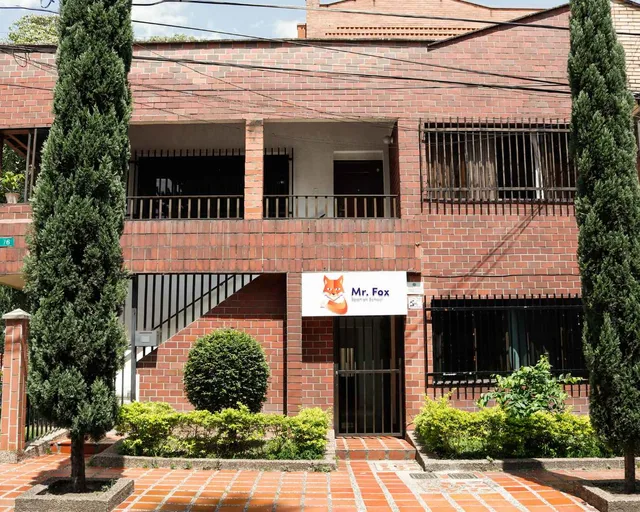
Mister Fox Spanish School is a licensed school (ETDH) with campuses in Pereira and Medellín (Laureles and Belén): small groups, real teachers and a free trial class.
Recent articles
Road trip through Colombia: must-visit destinations while studying Spanish
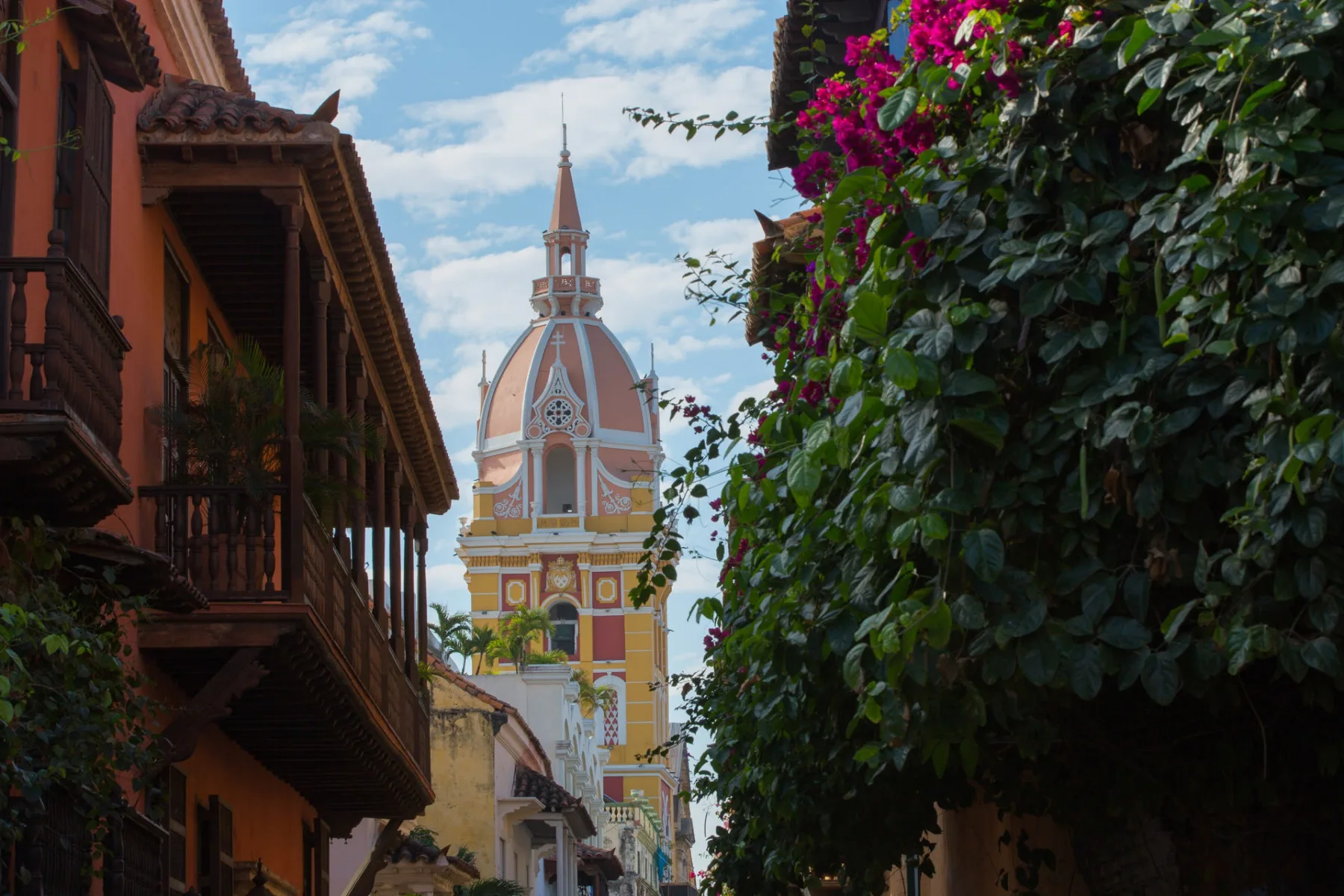
Explore Colombia's top destinations while advancing your Spanish. Practical routes and tips for language students traveling through the country.
August 20, 2026 · 5 min read

Why Your Spanish Stopped Improving After Living in Colombia
You get by in Medellín, you took classes, and you still speak badly. Why intermediate Spanish freezes in Colombia and how to start moving again.
August 5, 2026 · 7 min read
25 Spanish phrases you'll actually use in your first week in Colombia
From ¿Qué más? to a la orden: the phrases you will really hear on day one in Colombia, with translations and tips to use them like a local.
July 2, 2026 · 4 min read