




Road trip through Colombia: must-visit destinations while studying Spanish
Explore Colombia's top destinations while advancing your Spanish. Practical routes and tips for language students traveling through the country.

Equipo Mister Fox
August 20, 2026 · 5 min read
Learning Spanish in Colombia isn't confined to a classroom. The real magic happens on the streets, in small towns, in the mountains where accents shift and each region speaks with its own rhythm. If you're planning to combine Spanish learning with the trip of a lifetime, Colombia offers an almost perfect route: diversity of landscapes, living cultures, and—best of all—people who speak clearly and are used to explaining themselves to outsiders.
The classic route: from Pereira to the Caribbean
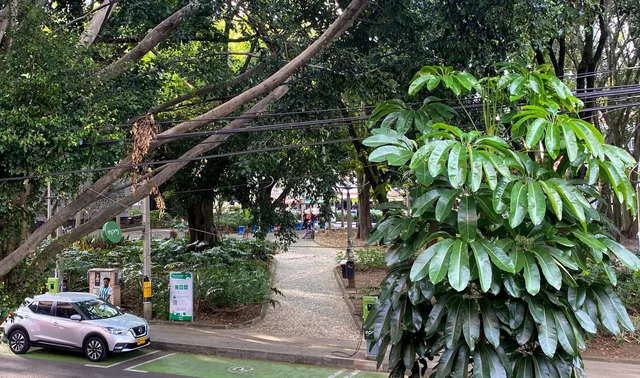
Most of our students start in Pereira, the gateway to the Coffee Triangle. It's a calm city, ideal for your first intensive weeks, where the paisa accent is more measured and perfect for consolidating what you learn in class. From here, the route naturally heads north.
- Salento (2 hours): a colorful mountain village perfect for understanding why Colombian coffee is so special. Walk the Valley of Cocora, eat ajiaco in a local eatery, and practice Spanish with the local farmers.
- Medellín (3 hours): after Pereira, the natural second stop. The city that changed, where your classmates will show you the real paisa spirit. Comuna tours, Comuna 13, and public plazas are live history lessons in Spanish.
- Santa Marta (12 hours, or fly): access point to the Sierra Nevada, coastal villages, and if you're adventurous, the Lost City. Caribbean Spanish is different here—faster, with unique expressions you won't hear in Medellín.
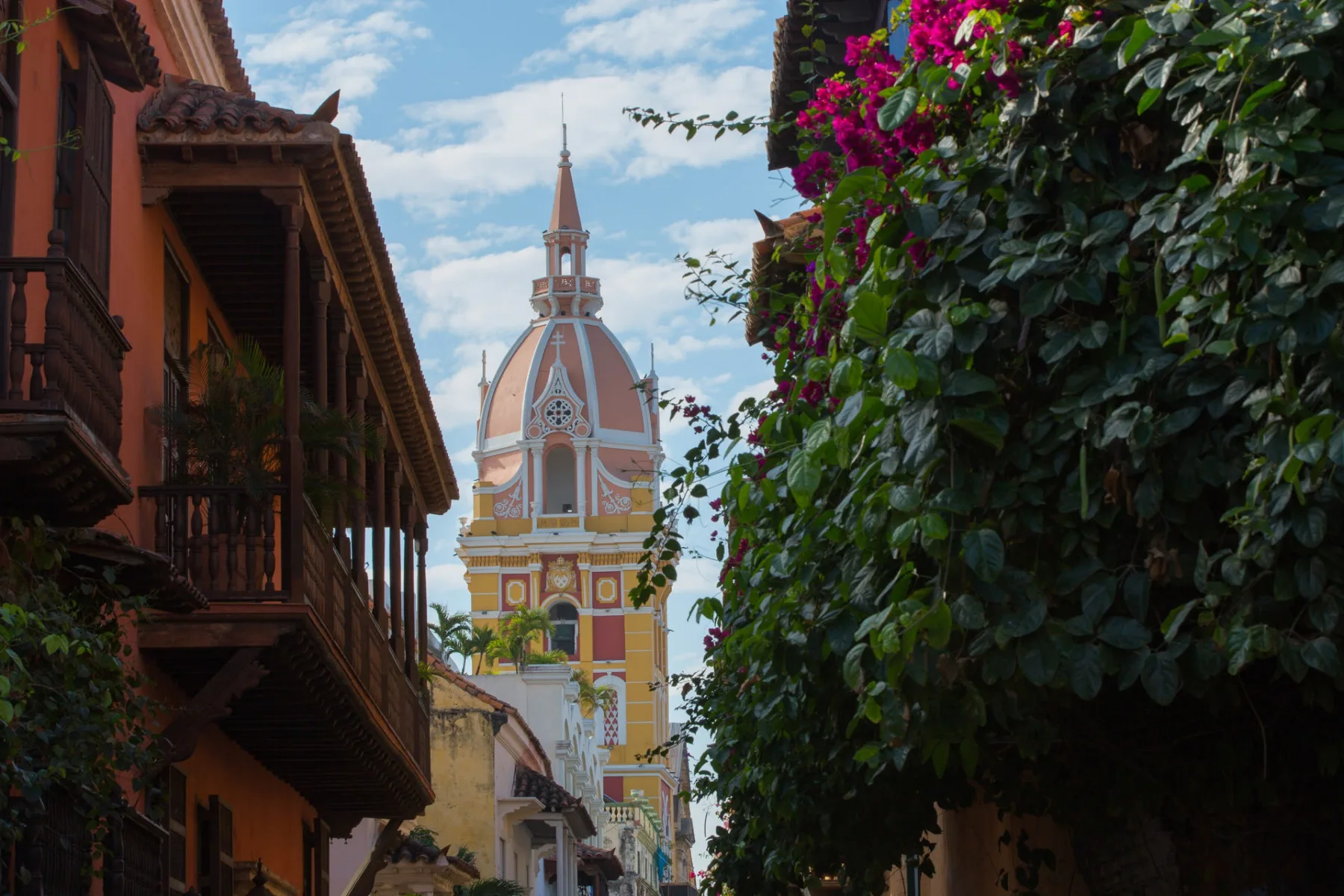
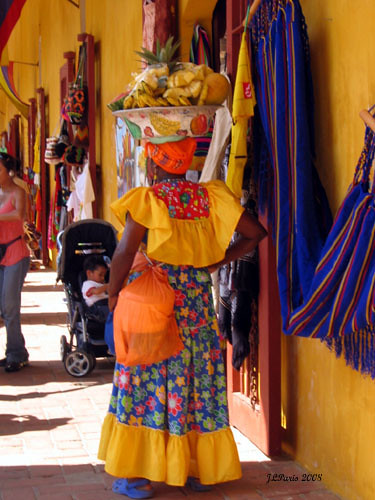
- Cartagena (2 hours from Santa Marta): colonial architecture, sunrise on the walls, plazas full of life. It's the most touristy destination, but also the richest in Caribbean Spanish. Prices are high, but a week here is worth every peso.
The mountain route: for slow travelers
If fast-paced travel isn't your style, try this alternative: Pereira → Manizales → Armenia → Ibagué. These are coffee towns where the pace is slow, locals have time to chat with you, and prices are fair. There's no mass tourism here, which means: real Spanish, without the noise of souvenir sellers.
North to south: the Pacific coast route (for adventurers)
If you have 4-6 weeks, here's the wildest route: from Medellín head to Quibdó (Chocó), then to Buenaventura, Cali, and finish in Popayán. It's rain, jungle, chaotic transport, and honestly, the most challenging Spanish in the country. But if you understand it here, you understand it anywhere.
Pacific towns have a unique energy. The music is different, the accent is faster, and people are incredibly patient with foreigners who actually try to speak Spanish. Cali is especially good: it's a big city with plenty of accommodation, and the Cali accent is iconic—fast, but patient with learners.

Practical tips for traveling while you learn
- Stay in hostels or Airbnbs in real neighborhoods, not tourist zones. You'll speak more Spanish, prices drop 40%, and you'll discover shops, restaurants, and people the guides don't mention.
- Use public transportation. Buses, shared vans, and taxis are mobile universities. You'll hear real accents, local slang, and if you're lucky, two-hour life stories.
- Eat where locals eat. Small neighborhood restaurants (not tourist spots) are cheap and the owner will have time to chat with you. That's real Spanish, not the rehearsed version of a trained waiter.
- Plan 3-4 day breaks in small towns. You don't need to be constantly moving. A week in a quiet village, at the same guesthouse, with repeated local visits, builds fluency.
- Carry cash. Many small towns don't have ATMs. Plus, gentle bargaining in markets (respectfully) is live conversation practice.
The time factor: how much to travel, how much to study?
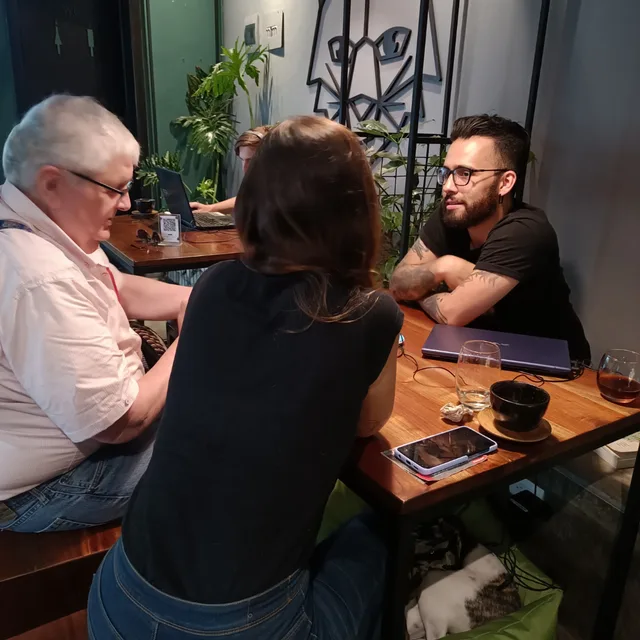
Everyone asks: «Do I travel all week or keep taking classes?» The answer depends on your level and goals. If you arrive at beginner level, your first 2-3 months should be mostly intensive classes with short weekend trips. The Spanish you learn in class helps you understand what you hear on the street.
If you already have intermediate or advanced level, mix it: 3 weeks intensive, 1 week traveling. This builds real conversation skills without losing progress. If you're upper-intermediate, travel freely while doing private online classes. You practice Spanish wherever you are.
Hidden gem destinations (off the typical path)
If you've already seen Cartagena and Medellín, try these places few students visit:
- Guatapé (2 hours from Medellín): colorful village, lake, El Peñol rock. Small but alive, Spanish of western Antioquia, very different from city paisa.
- San Andrés and Providencia (fly from Medellín): Caribbean archipelago. The accent is unique—a blend of Spanish and English. Confusing at first, but it's real Colombia.
- Bogotá (if you want big city): not coastal or coffee region. The Bogotá accent is the most neutral in the country—perfect for consolidating if you've heard heavy regional accents.
- Barichara (4 hours from Cali): colonial Andean town. Silence, fresh air, slow people with time for you. It's meditation with Spanish included.

Budget: travel without breaking the bank
Colombia is cheap compared to other travel-and-study destinations. Hostel bed: USD 12–20 per night. Local meal: USD 2–4 per plate. Transport: USD 1–3 per trip. Private Spanish classes: USD 15–25 per hour. You can travel for a whole month on USD 800–1,000 (without international flights).
The trick: don't do luxury tourism. Do residential tourism. Live like locals do, eat where they eat, sleep where they sleep. It's cheaper, more authentic, and your Spanish improves exponentially because you're not in the «tourist bubble».
Traveling through Colombia while you study Spanish isn't a luxury for rich students. It's a learning strategy. Every town has an accent, every region a story, every person a lesson. Language is the tool. Travel is the lab where words come alive.
Ready to pack and start your route? At Mister Fox, we can design a program that combines intensive classes with your itinerary. It's not just making the most of your trip—it's making the trip matter.
Tell us your destinations. We'll help you structure classes around your itinerary.
Learn Spanish with us in Colombia
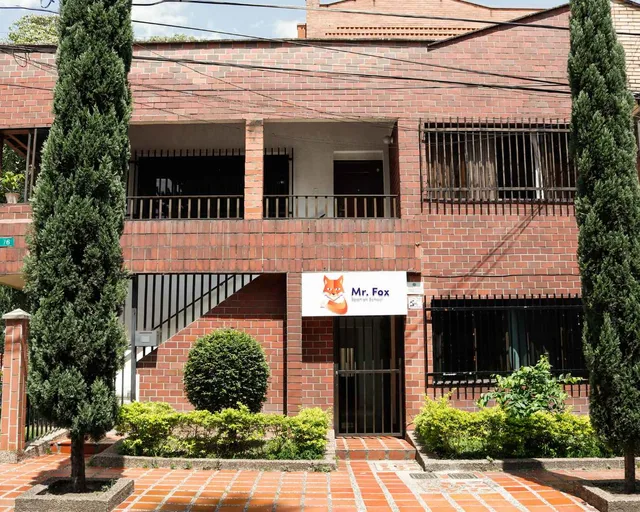
Mister Fox Spanish School is a licensed school (ETDH) with campuses in Pereira and Medellín (Laureles and Belén): small groups, real teachers and a free trial class.
Recent articles
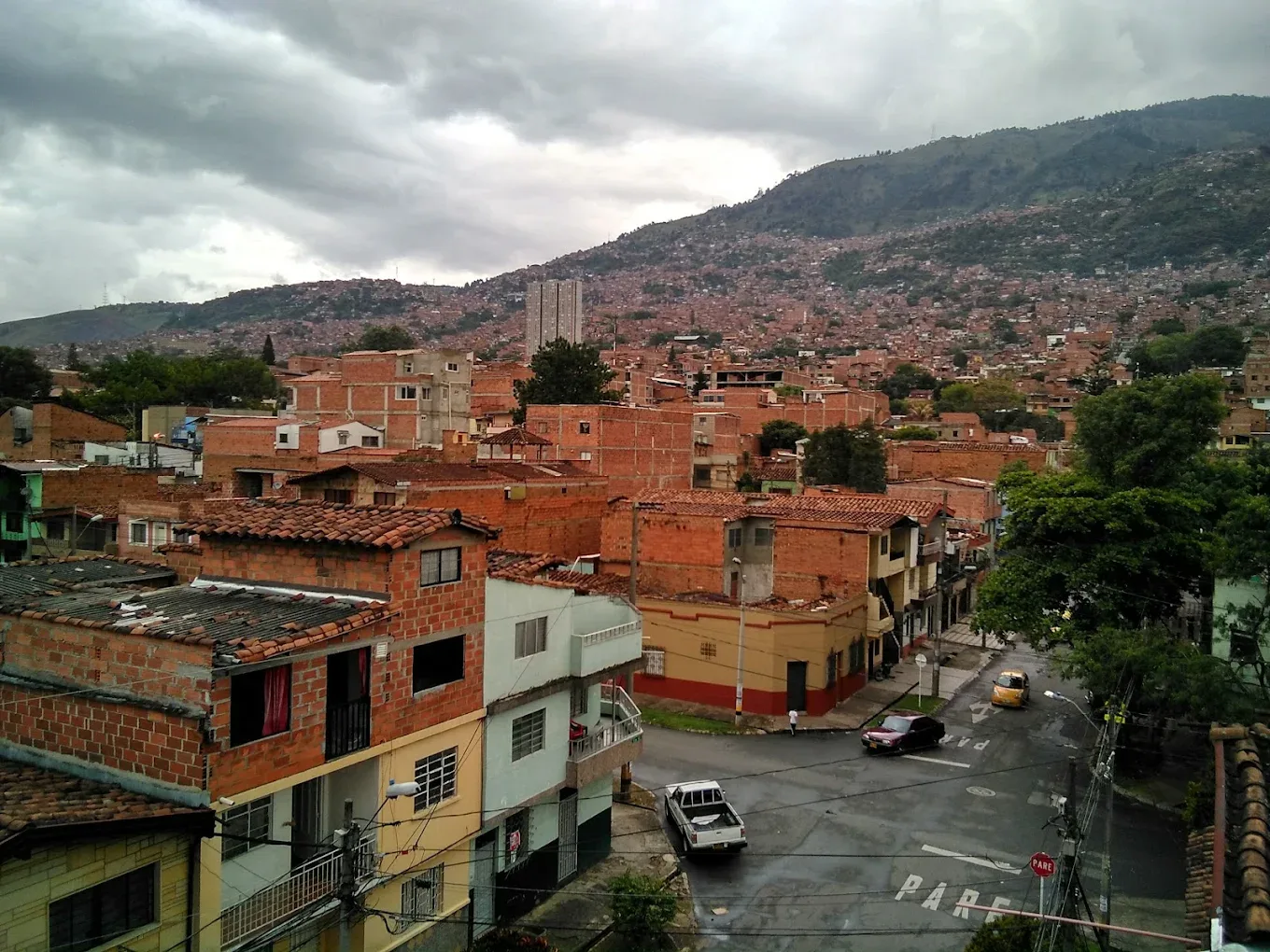
Beyond the Tourist Trail in Medellín: Real Neighborhoods, True Living Costs, and How to Settle In Like a Local
Discover where real medellinenses live, actual living costs by neighborhood, and how to integrate as a genuine resident, not just a tourist.
August 24, 2026 · 5 min read
The best time to move to Medellín or Pereira (weather, festivals, timing your course)
Eternal-spring weather, rainy seasons, the Feria de las Flores and visa timelines: how to pick the right month to start your Spanish course in Colombia.
June 25, 2026 · 4 min read
How long does it take to learn Spanish? An honest timeline
A realistic look at how long each CEFR level tends to take, why immersion changes the math, and how to set goals you can actually keep.
June 18, 2026 · 4 min read