




25 Spanish phrases you'll actually use in your first week in Colombia
From ¿Qué más? to a la orden: the phrases you will really hear on day one in Colombia, with translations and tips to use them like a local.

Equipo Mister Fox
July 2, 2026 · 4 min read
Forget the textbook dialogues about buying train tickets in Madrid. Your first week in Colombia will be a beautiful chaos of greetings you did not expect, politeness rituals nobody warned you about, and the word tinto meaning something entirely different from what you learned. Here are the twenty-five phrases our students actually end up using in week one — field-tested on the streets of Pereira and Medellín.
Greetings and small talk
Colombian conversations begin warmly and often — with the doorman, the bus driver, the fruit seller. These seven openers will carry you through your first hundred hellos, and the good news is that Spanish pronunciation is refreshingly phonetic: say the letters you see, land the stress where marked, and you will be understood.
- Hola, ¿qué más? — "Hey, what else?" Literally strange, universally used. This is the Colombian greeting. Answer with "bien, ¿y vos?" or just smile and repeat it back.
- ¿Cómo estás? — "How are you?" The safe classic. In Colombia expect a warm answer, not a mumble.
- ¿Bien o qué? — "Good, or what?" A cheeky, friendly greeting between people who like each other. Using it will earn you delighted laughter.
- Mucho gusto — "Nice to meet you." Also used when introducing yourself: "Mucho gusto, Sarah."
- ¿De dónde eres? — "Where are you from?" You will answer this question approximately four hundred times. Enjoy it — the follow-up is always warm.
- Hasta luego — "See you later." The standard goodbye to shopkeepers, neighbours, everyone.
- Nos vemos — "See you." Casual, friendly, works everywhere.
Being polite — Colombians notice
Colombian Spanish runs on courtesy. A little politeness opens every door, and these six phrases are the master keys:
- Por favor — "Please." Attach it generously; it is never too much.
- Muchas gracias — "Thank you very much." Warmer than a bare gracias.
- Con mucho gusto — "With great pleasure." The Colombian reply to thanks — you will hear it constantly, and saying it yourself feels wonderful.
- A la orden — "At your service." Shopkeepers say it when you enter, when you buy, when you leave. It also means "you are welcome". Answer with a smile and gracias.
- Qué pena — Literally "what a shame", used as "sorry" or "excuse me". Extremely Colombian: bump into someone, arrive late, interrupt — qué pena.
- Permiso — "Excuse me" when passing through a crowd or entering a room. Small word, big manners.
Getting around and paying
- ¿Dónde queda…? — "Where is…?" More natural here than ¿dónde está? for places: "¿Dónde queda la estación?"
- ¿Cuánto cuesta? — "How much is it?" Your market survival phrase.
- ¿Me puede ayudar? — "Can you help me?" Colombians will genuinely help you, sometimes by personally walking you there.
- Aquí me bajo — "I get off here." Essential vocabulary for buses that treat stops as loose suggestions.
- ¿Acepta tarjeta? — "Do you take card?" Many small places are cash-only; ask before you order.
- La cuenta, por favor — "The bill, please." Waiters will not bring it until you ask — lingering is the culture, not slow service.
Food and coffee
- Un tinto, por favor — In Colombia a tinto is a small black coffee, not red wine. Ordering one correctly is your first rite of passage.
- ¿Qué me recomienda? — "What do you recommend?" The single best phrase for eating well anywhere.
- Estaba delicioso — "It was delicious." Say it and watch the whole kitchen beam.
Sounding a little paisa already
- ¡Qué chévere! — "How cool!" All-purpose enthusiasm. Impossible to overuse.
- Listo — Literally "ready", used as "OK / deal / got it". The glue of every Colombian conversation.
- Parcero / parce — "Buddy, mate." The region's signature word. Deploy with a smile once you have made your first friend — which, in Colombia, takes about a day.
Three quick tips before you start
- Do not aim for perfect grammar in week one — aim for warmth. Colombians reward every attempt generously.
- Listen for the melody. Paisa Spanish sings; copying the intonation matters as much as the words.
- Write down what you hear on the street each day. Five real phrases beat fifty from a list — including this one.
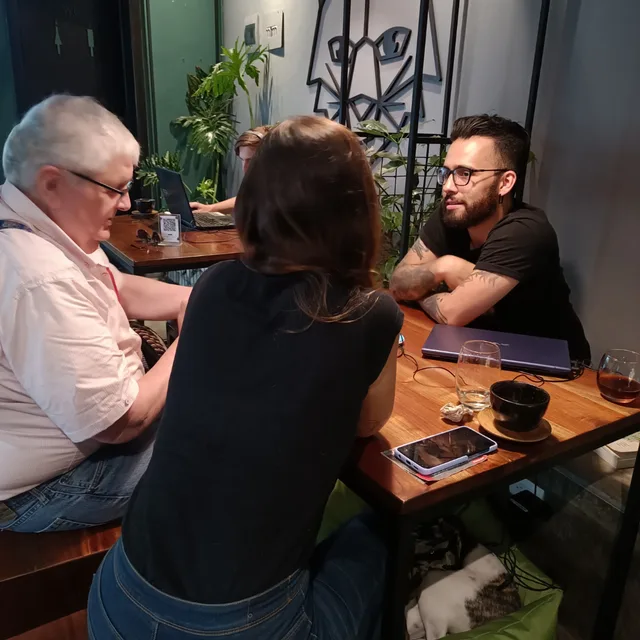
Learn phrases like these with a real teacher — and the pronunciation to go with them.
Ready for level two? Parlache, paisa expressions and the slang your textbook will never teach you.
Frequently asked questions
Is Colombian Spanish hard to understand for beginners?
The Spanish of the Andean interior — including Pereira and Medellín — is widely considered clear and well-articulated, which makes it a friendly variety for learners. The slang is colourful, but the pronunciation is on your side.
Should I use tú or usted in Colombia?
When in doubt, usted — Colombians use it even with friends and family, far more than other countries. Nobody will ever be offended by a polite usted, and locals will naturally guide you toward tú or vos as you get closer.
Learn Spanish with us in Colombia
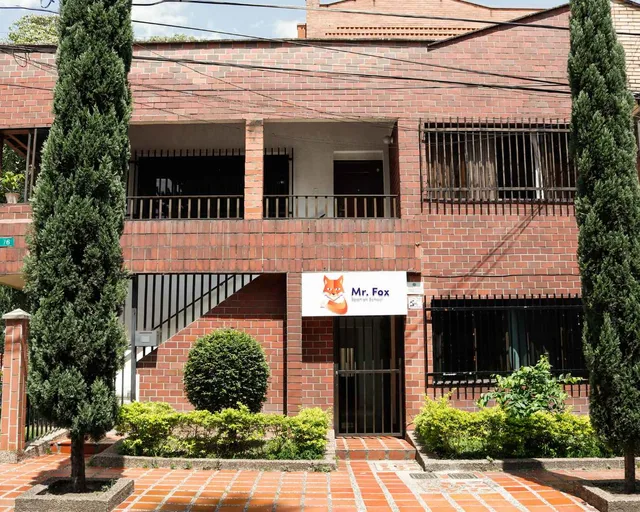
Mister Fox Spanish School is a licensed school (ETDH) with campuses in Pereira and Medellín (Laureles and Belén): small groups, real teachers and a free trial class.
Recent articles
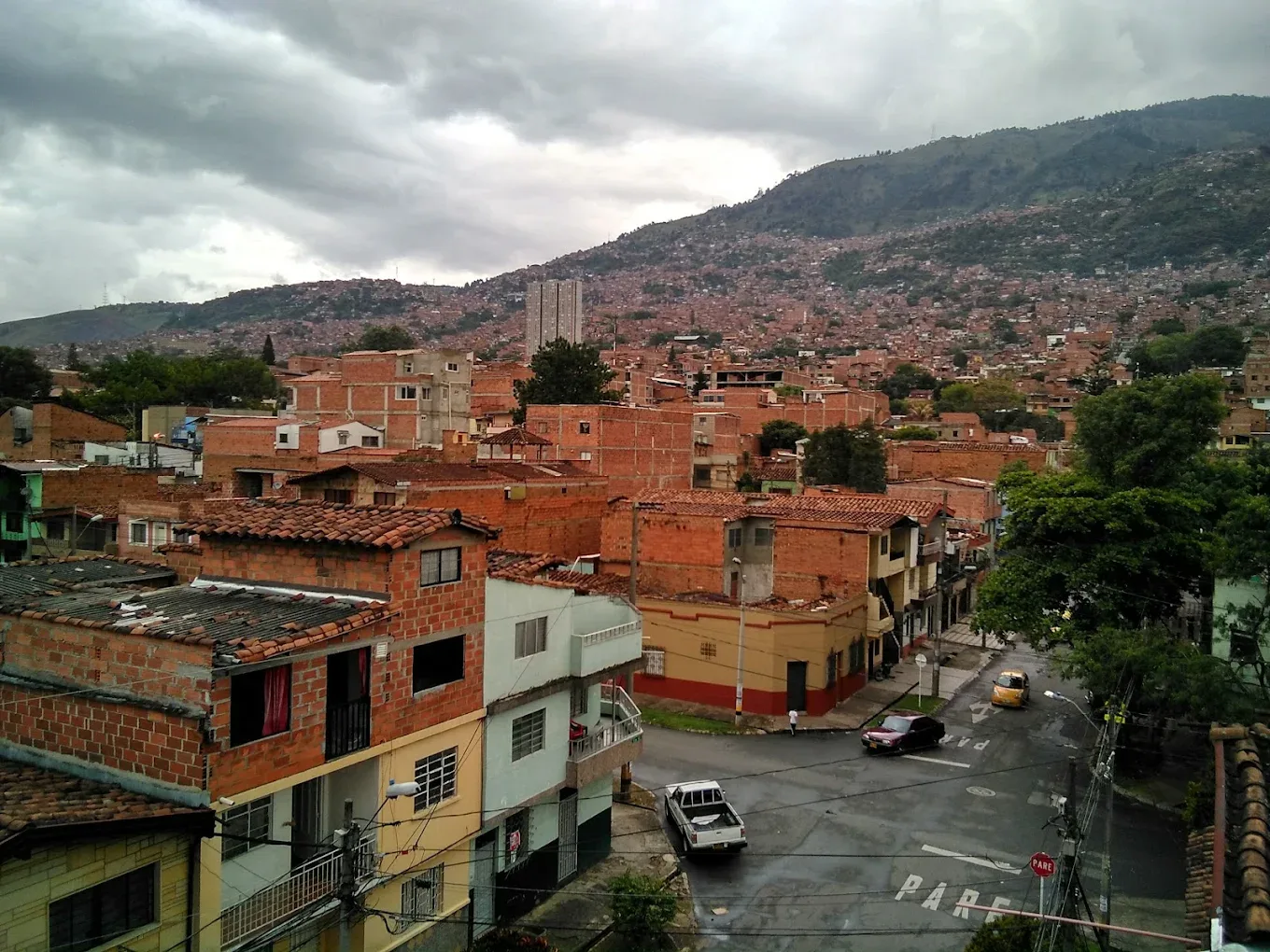
Beyond the Tourist Trail in Medellín: Real Neighborhoods, True Living Costs, and How to Settle In Like a Local
Discover where real medellinenses live, actual living costs by neighborhood, and how to integrate as a genuine resident, not just a tourist.
August 24, 2026 · 5 min read
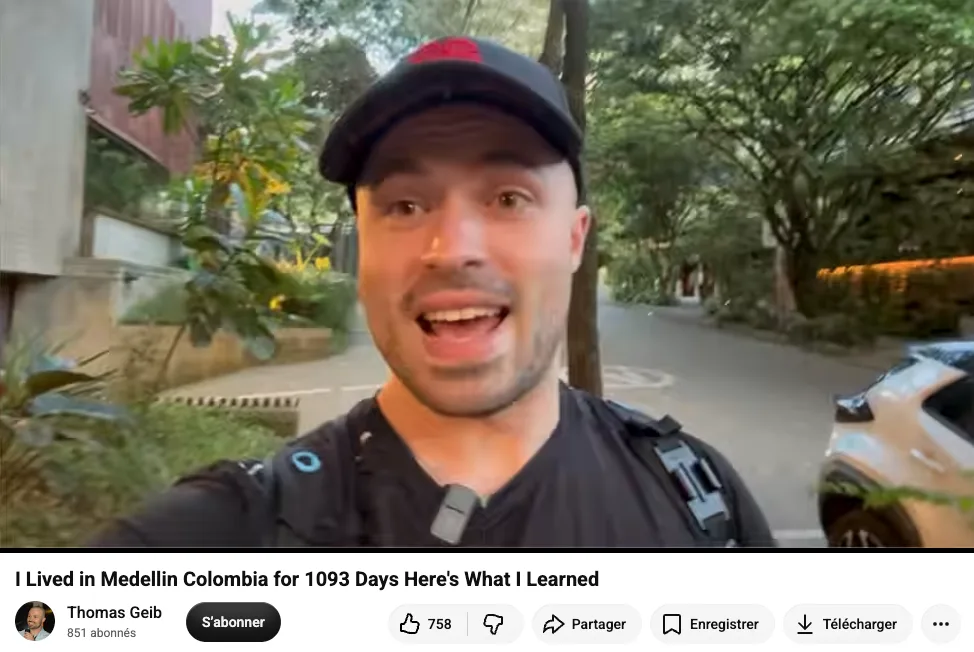
Living in Medellín: What 1,093 Days and 30 Airbnbs Teach You
One founder spent 1,093 days across 30 Airbnbs in Medellín. Six lessons on neighborhoods, cost and community that almost nobody tells you.
August 3, 2026 · 5 min read
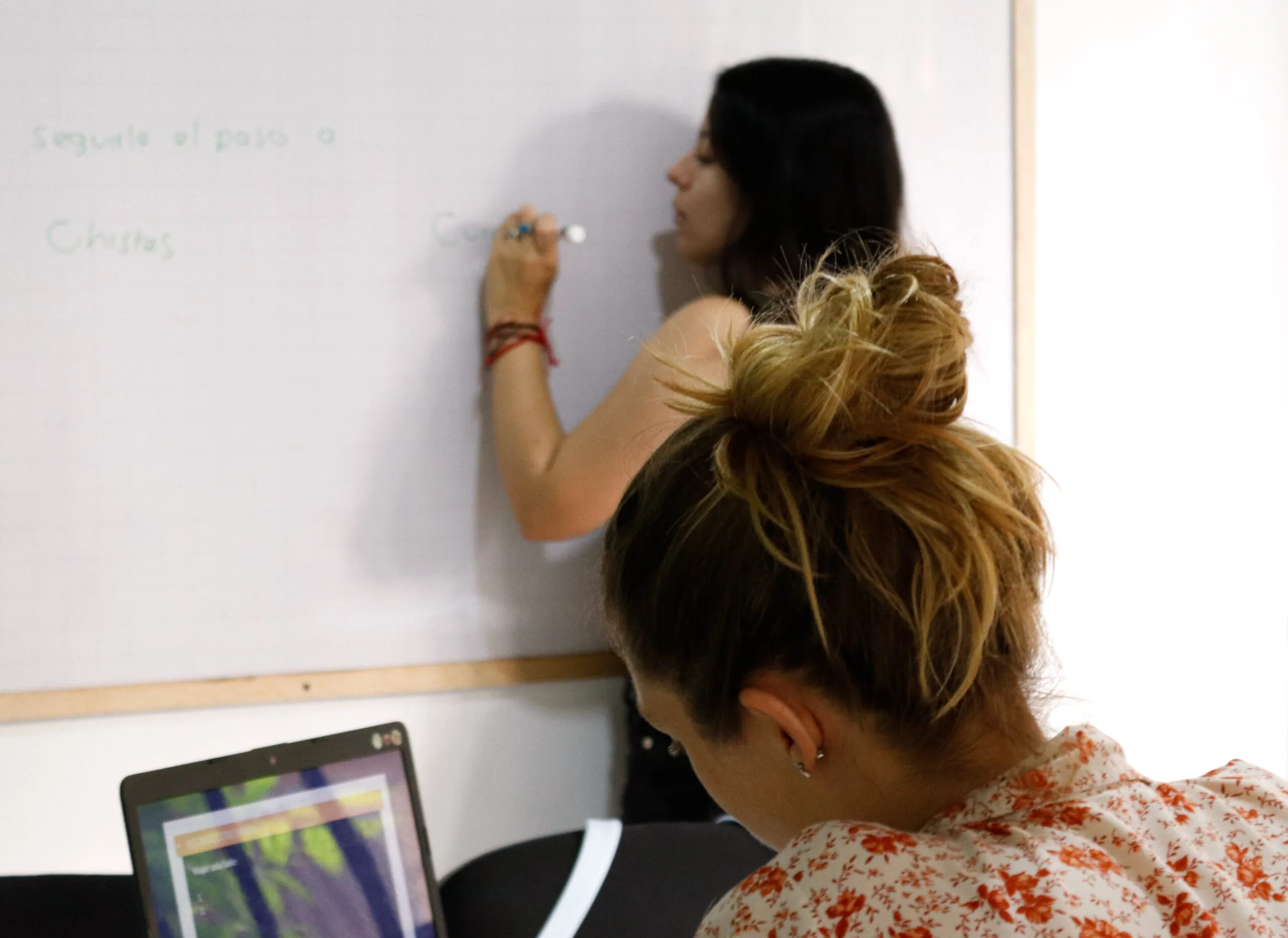
Embrace Your Journey: Overcoming the Top 5 Basic Mistakes in Learning Spanish with Mister Fox Spanish School
The five habits that slow down almost every Spanish learner in Colombia, and what tends to work instead in Medellín and Pereira.
July 30, 2026 · 5 min read