





Pereira, a Diverse, Vibrant and LGBTQ+ Friendly City
A municipal diversity policy, a Pride week and a march across the viaduct: what Pereira is really like for LGBTQ+ visitors and students.

Equipo Mister Fox
August 30, 2021 · Updated on July 30, 2026 · 5 min read
Pereira usually shows up in guidebooks as a stopover on the way to Salento or the Cocora Valley. Anyone who stays a few weeks finds something else: a mid-sized city, warm in both senses of the word, with a university population far larger than its size suggests and a queer community that stopped asking permission to take the street a long time ago.
Where it is and how it feels
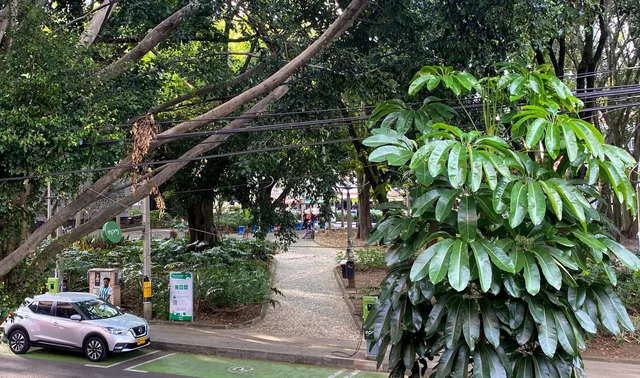
Pereira is the capital of Risaralda and the centre of the coffee region. Together with Dosquebradas and La Virginia it forms a metropolitan area that works as a single city, linked by the César Gaviria Trujillo viaduct, which doubles as the visual symbol of the place.
Locals call it la ciudad sin puertas, the city without doors, and the nickname captures the character well: talkative, direct and short on ceremony. At 1,400 metres, the weather stays warm all year, with afternoon rain that arrives on schedule and leaves quickly.
The Colombian legal framework
Before talking about atmosphere it is worth talking about rights, because everything else rests on them. Colombia has one of the broadest legal frameworks in Latin America on this front, built mostly through Constitutional Court rulings.
| Year | What changed |
|---|---|
| 2011 | Law 1482 made acts of discrimination based on sexual orientation a criminal offence |
| 2015 | The Constitutional Court opened adoption to same-sex couples |
| 2015 | Decree 1227 allowed the sex marker on official documents to be changed before a notary |
| 2016 | The Constitutional Court recognized same-sex civil marriage |
What Pereira does specifically
The city has its own public policy on sexual diversity, with a dedicated programme inside the Secretariat of Social and Political Development. It is not just a document: it produces the Semana del Orgullo de Ser, the Pride week the city council organizes every June, and the Espacios Seguros scheme, which recognizes businesses committed to serving customers without discrimination.
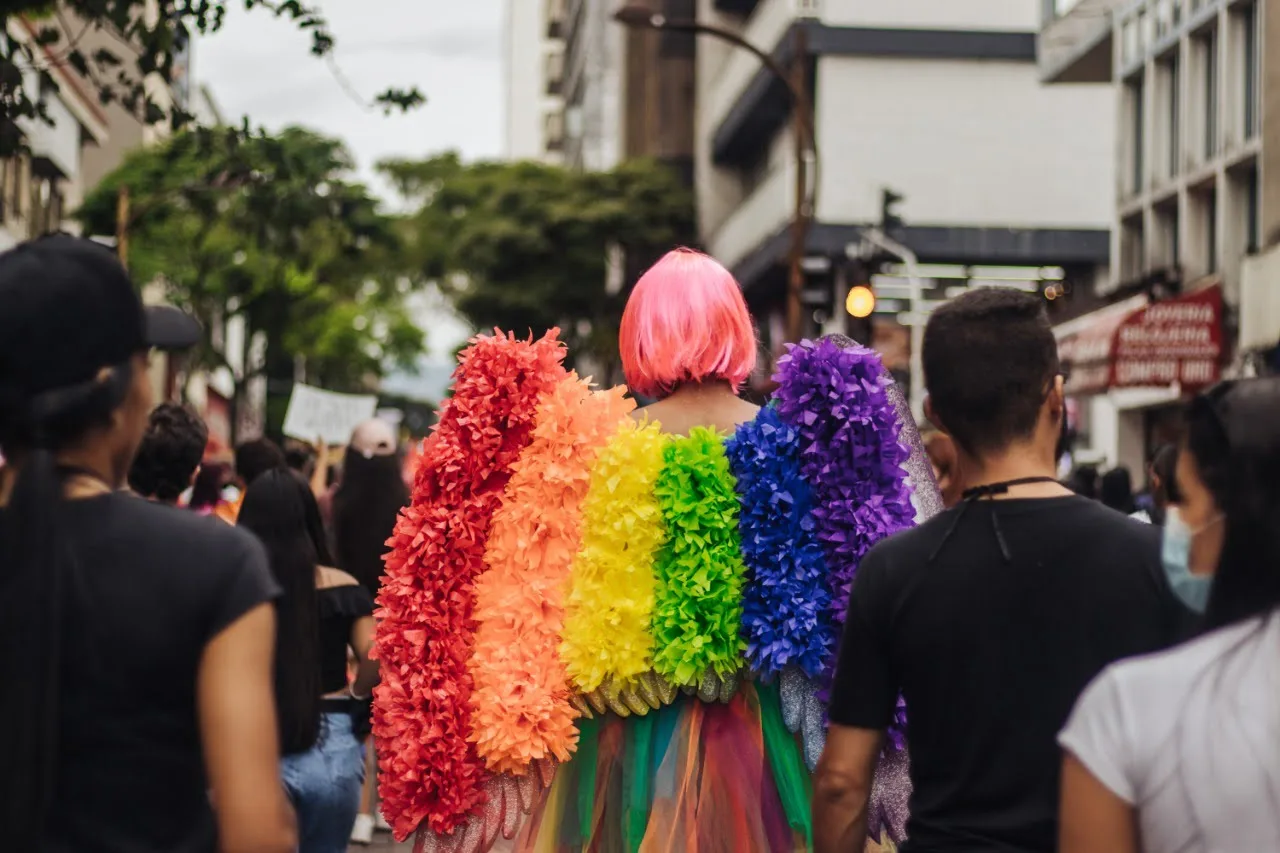
That week closes with the Pride march, organized by community collectives with institutional backing. The route has its own tradition by now: it starts near Makro in Dosquebradas, crosses the viaduct and comes down to Plaza Cívica Ciudad Victoria, where Eje Fest sets up a stage with performers and community-run stalls. In 2025 more than a thousand people took part despite the rain.
The programme goes beyond the parade. Recent editions have included job and education fairs, university symposiums on rights and health, and sports and cultural activities spread over several weeks.
What is still missing
It would be dishonest to paint a perfect picture. Local organizations, among them Fundación Plataformas, which has worked in the department for more than a decade, report cases of violence against LGBTIQ+ people in Risaralda every year, with trans women as the most exposed group.
The reasonable reading is this: the legal framework is solid, local institutions back the community, and the city centre is calm, but attitudes vary by neighborhood, age and setting. It is a situation much like that of many mid-sized cities around the world, and most visitors spend long stretches here without any incident.
The city beyond June
Pereira has four large universities, among them the Universidad Tecnológica de Pereira, and that shapes the mood. There are more young people around than a city this size would normally hold, and with them a scene of bars, specialty coffee shops and live music concentrated mostly along Avenida Circunvalar.
Downtown you will find Plaza de Bolívar and its Bolívar Desnudo by Rodrigo Arenas Betancourt, probably the most argued-about equestrian statue in the country. Nearby, Parque El Lago and Parque La Libertad work as meeting points and are good places to practise Spanish without hunting for an excuse.
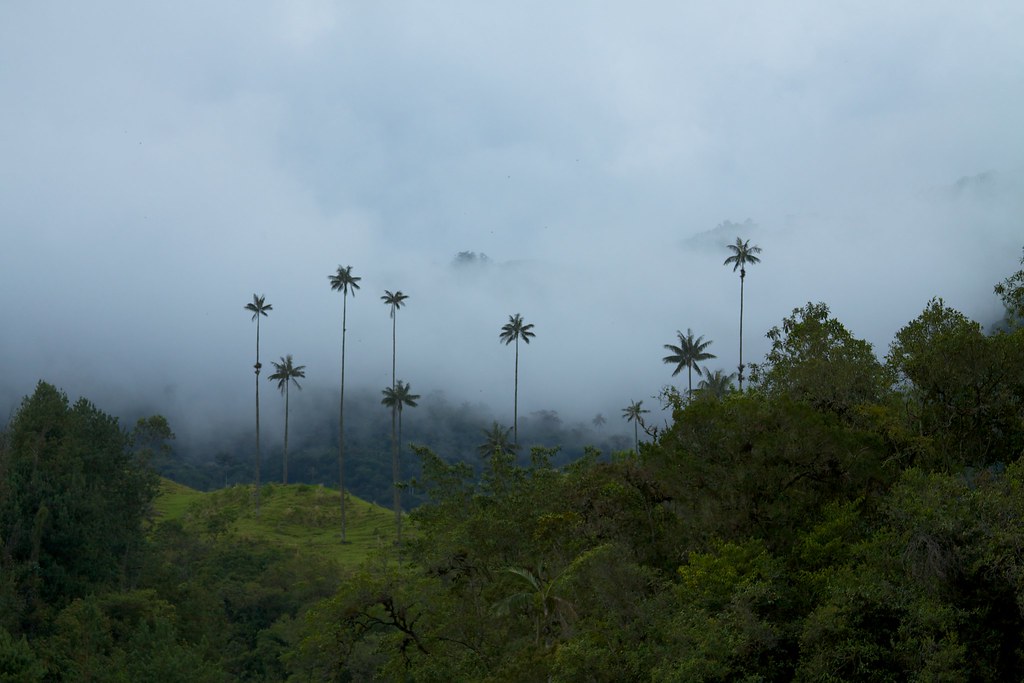
- Salento and the Cocora Valley, a little over an hour away by road.
- The Santa Rosa de Cabal hot springs, made for a Sunday.
- Coffee farms with guided tours that run in Spanish.
- Matecaña airport, inside the city, fifteen minutes from the centre.
Learning Spanish here
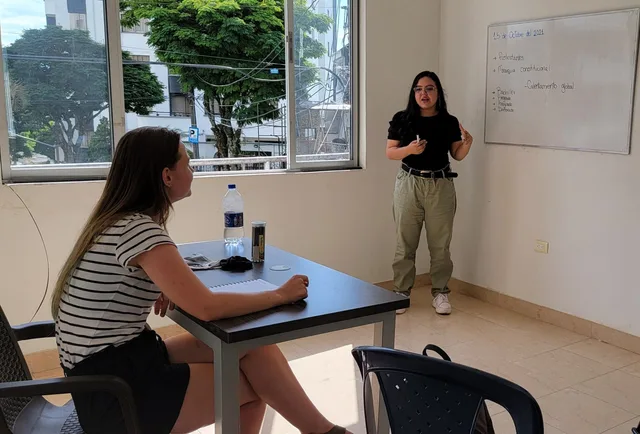
For anyone studying the language, Pereira has an advantage no tourist guide mentions: English barely circulates outside a handful of places. Ordering lunch, renting a flat or asking for directions become compulsory exercises, and that daily friction is exactly what moves you forward.
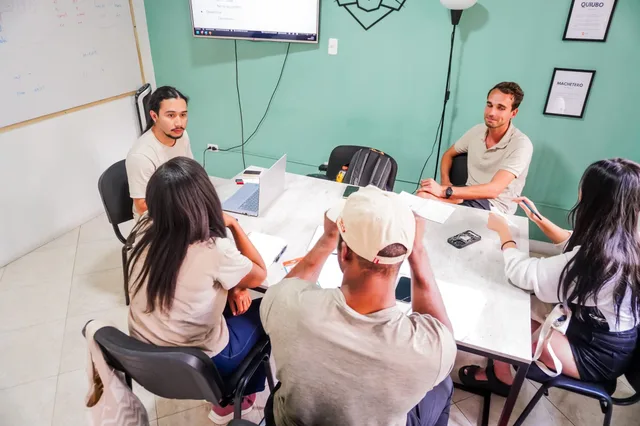
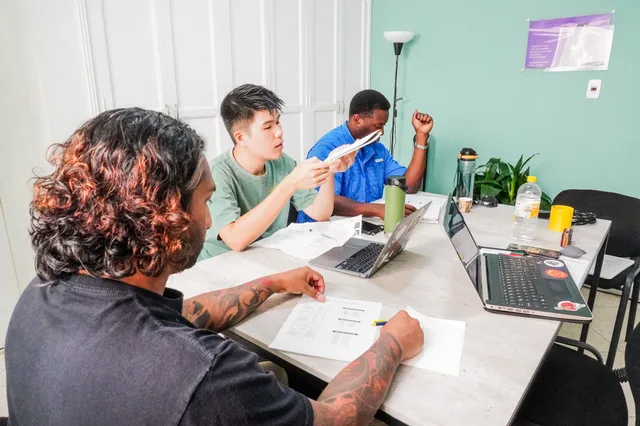
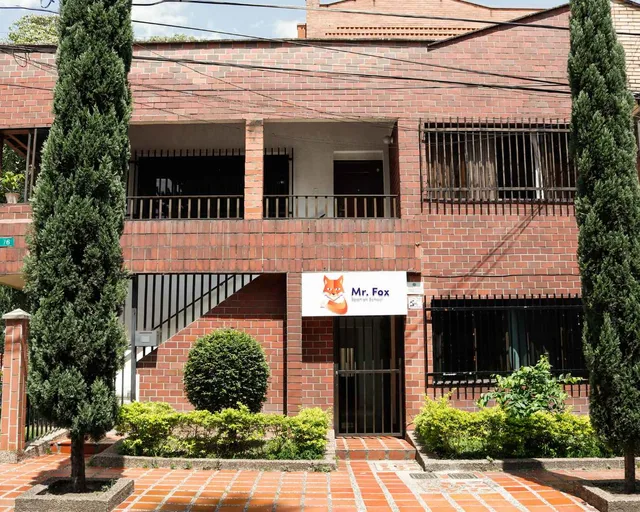
Our Pereira campus is downtown, close to everything above. The routine that works best is a simple one: class in the morning, city in the afternoon, so that whatever you practise in the classroom gets used the same day.
A city is not measured by what it says about itself, but by what happens in its main square on an ordinary Sunday.
Before you come
If you are considering a season in the coffee region, set your class schedule before your accommodation: choosing a neighborhood is far easier once you know where you need to be each morning. Tell us your dates and your level and we will let you know which slots are open.
New students start with a 30-minute trial class, with no commitment.
Learn Spanish with us in Colombia
Mister Fox Spanish School is a licensed school (ETDH) with campuses in Pereira and Medellín (Laureles and Belén): small groups, real teachers and a free trial class.
Recent articles
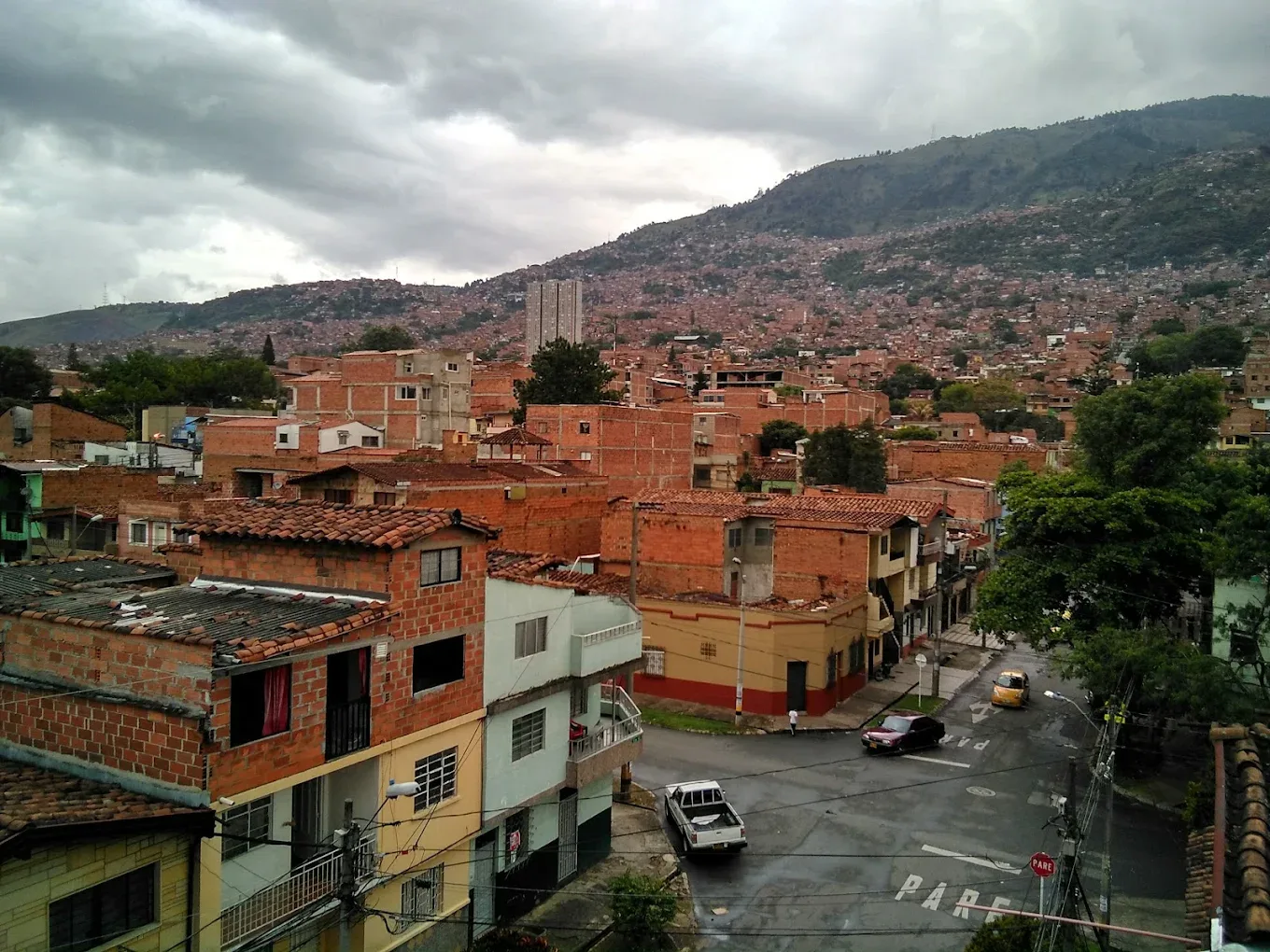
Beyond the Tourist Trail in Medellín: Real Neighborhoods, True Living Costs, and How to Settle In Like a Local
Discover where real medellinenses live, actual living costs by neighborhood, and how to integrate as a genuine resident, not just a tourist.
August 24, 2026 · 5 min read
25 Spanish phrases you'll actually use in your first week in Colombia
From ¿Qué más? to a la orden: the phrases you will really hear on day one in Colombia, with translations and tips to use them like a local.
July 2, 2026 · 4 min read
The best time to move to Medellín or Pereira (weather, festivals, timing your course)
Eternal-spring weather, rainy seasons, the Feria de las Flores and visa timelines: how to pick the right month to start your Spanish course in Colombia.
June 25, 2026 · 4 min read